Bladder Cancer Causes, symptoms, Treatment i Bladder Cancer Treatment In Pimpri chinchwad
Meet Dr. Sunil Mhaske
Best ITIND Treatment Specialist in Pune
Dr. Sunil Mhaske
What Is Bladder Cancer?
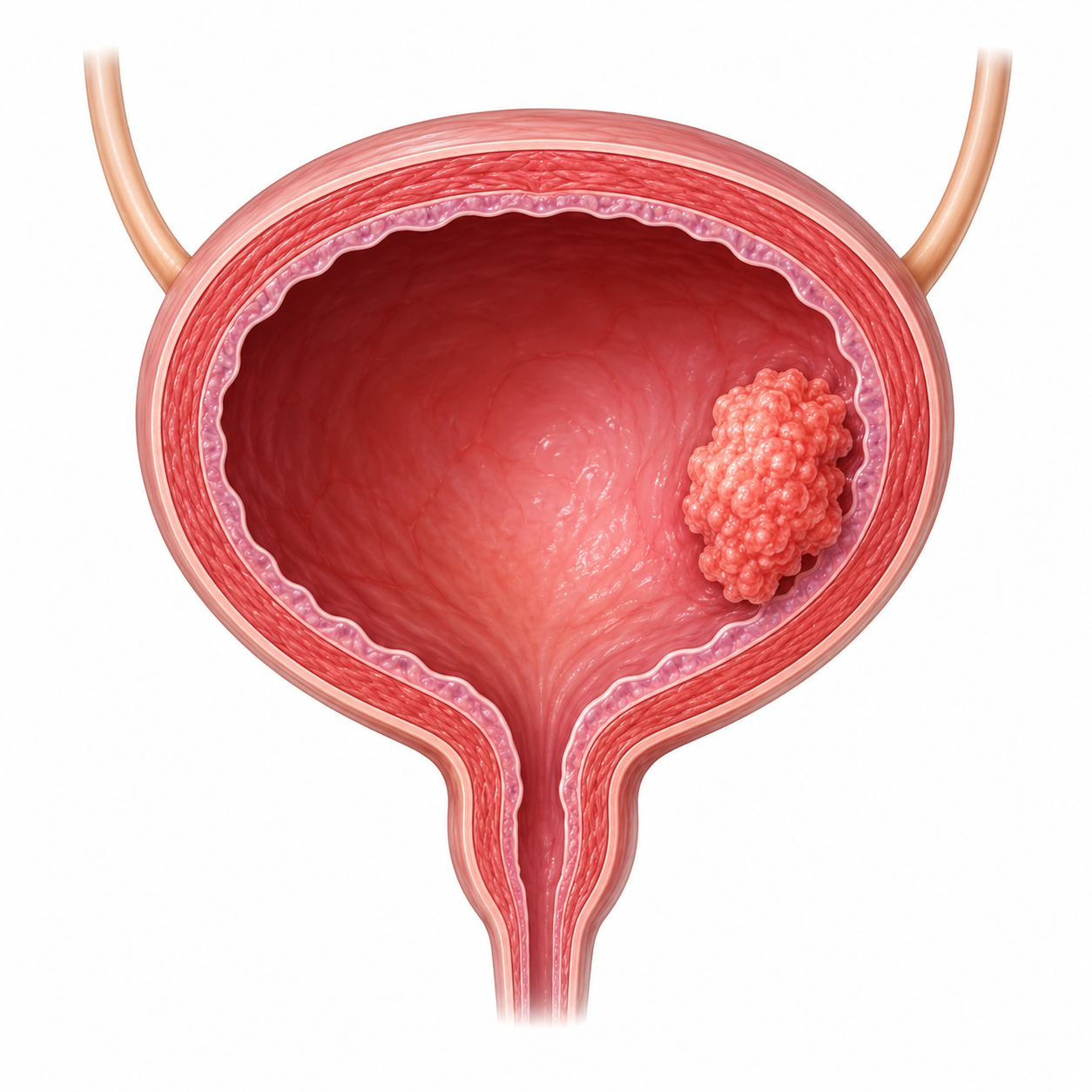
Bladder cancer occurs when abnormal cells grow uncontrollably inside the bladder — the organ that stores urine before it exits the body. It is one of the most common urological cancers, and when caught early, it can be treated effectively. Cancer usually begins in the innermost bladder lining and is classified as non-muscle-invasive or muscle-invasive based on how deeply it has spread.
Key risk factors include long-term smoking, chemical exposure, chronic bladder irritation, and older age. If you notice blood in your urine, burning urination, or unusual changes in urination patterns, consult Dr. Sunil Mhaske’s clinic in Pimpri Chinchwad for proper evaluation and personalised bladder cancer treatment.
Types of Bladder Cancer Treated by Dr. Sunil Mhaske

Transitional Cell Carcinoma
The most common type of bladder cancer, originating in the cells lining the inner surface of the bladder.
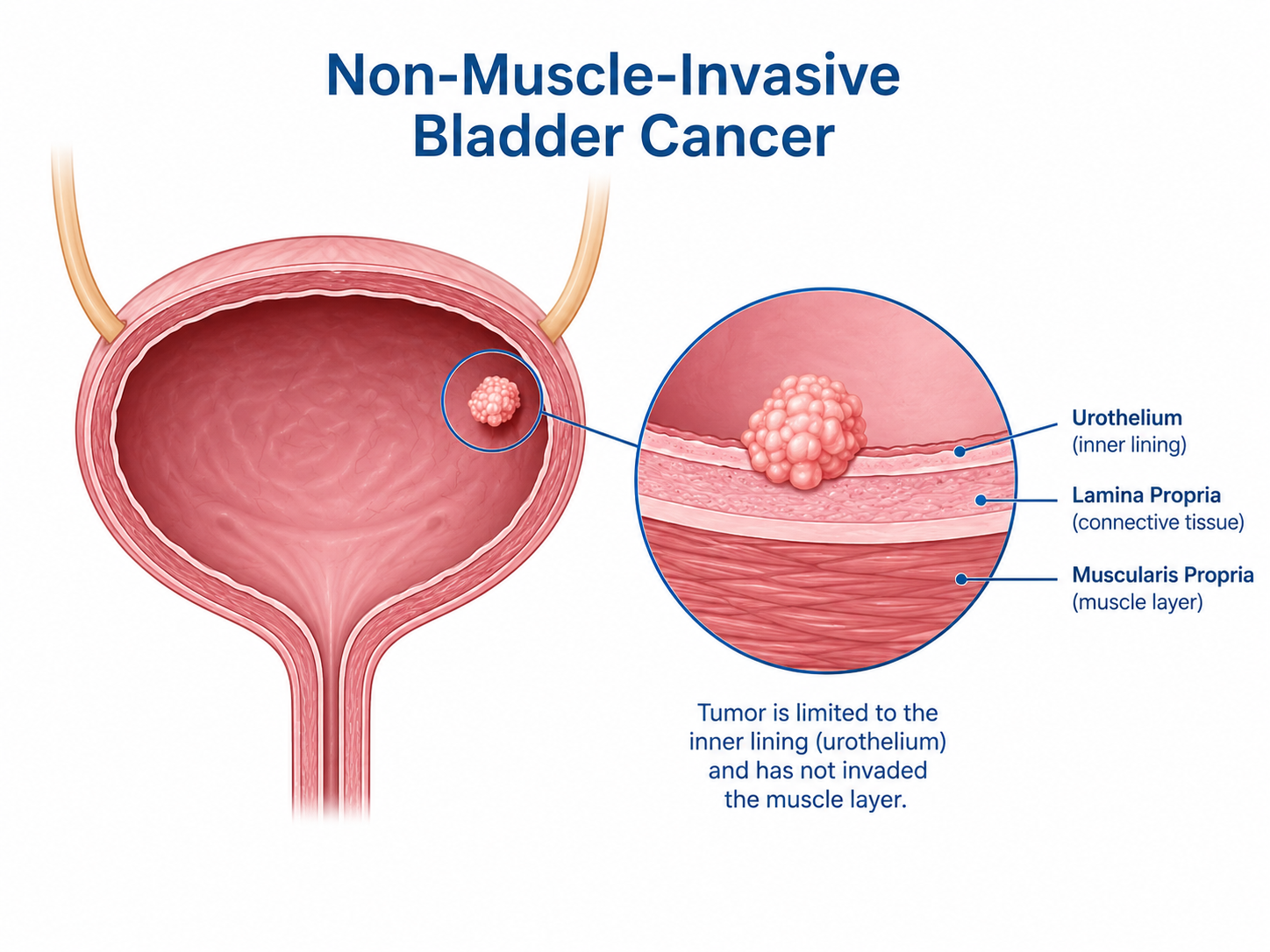
Non-Muscle-Invasive Bladder Cancer
Lorem ipsum dolor sit amet, consectetur adipiscing elit. Ut elit tellus, luctus nec ullamcorper mattis, pulvinar dapibus leo.
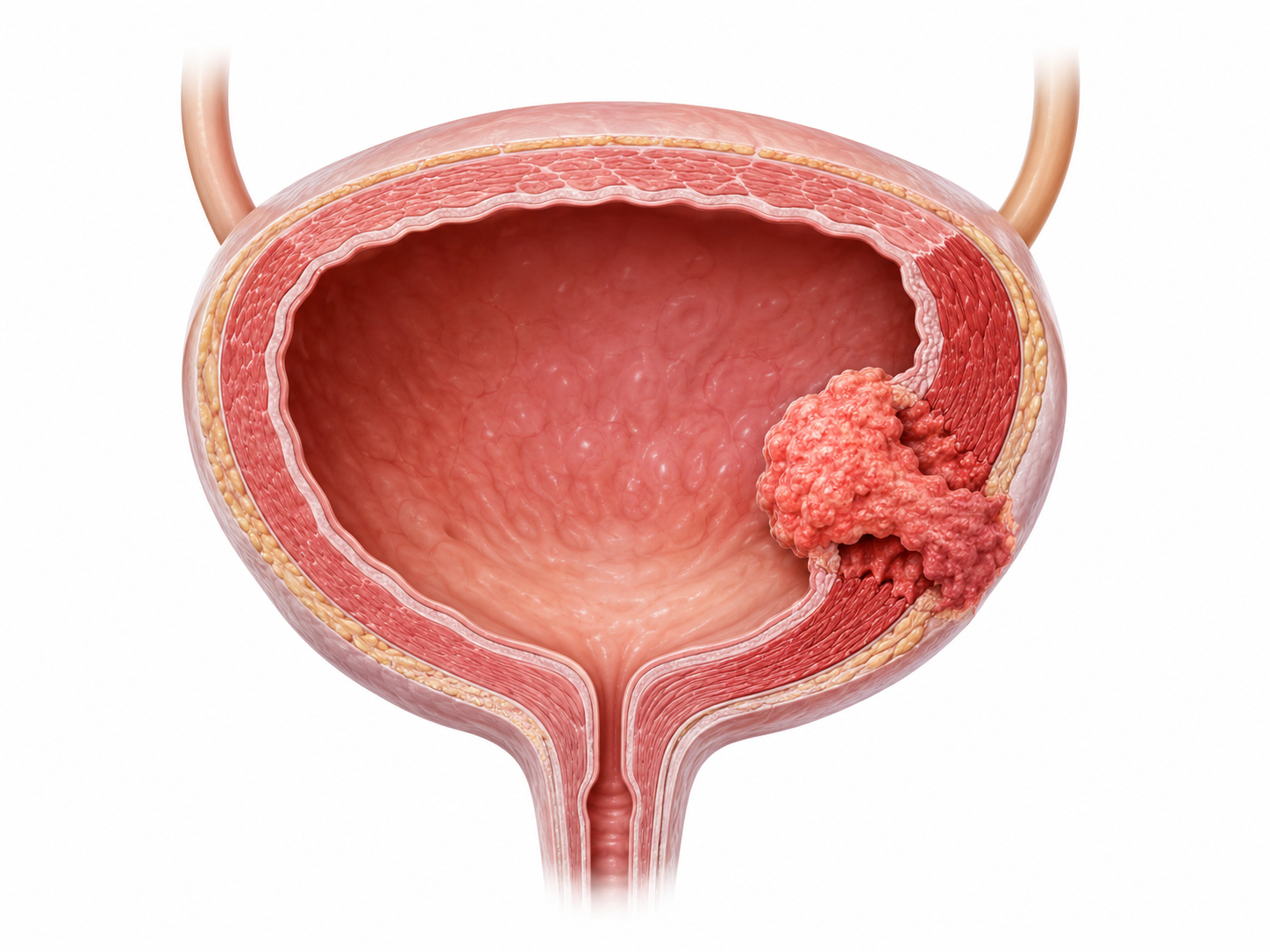
Muscle-Invasive Bladder Cancer
Cancer that has grown into the deeper muscle wall of the bladder, requiring more intensive treatment.
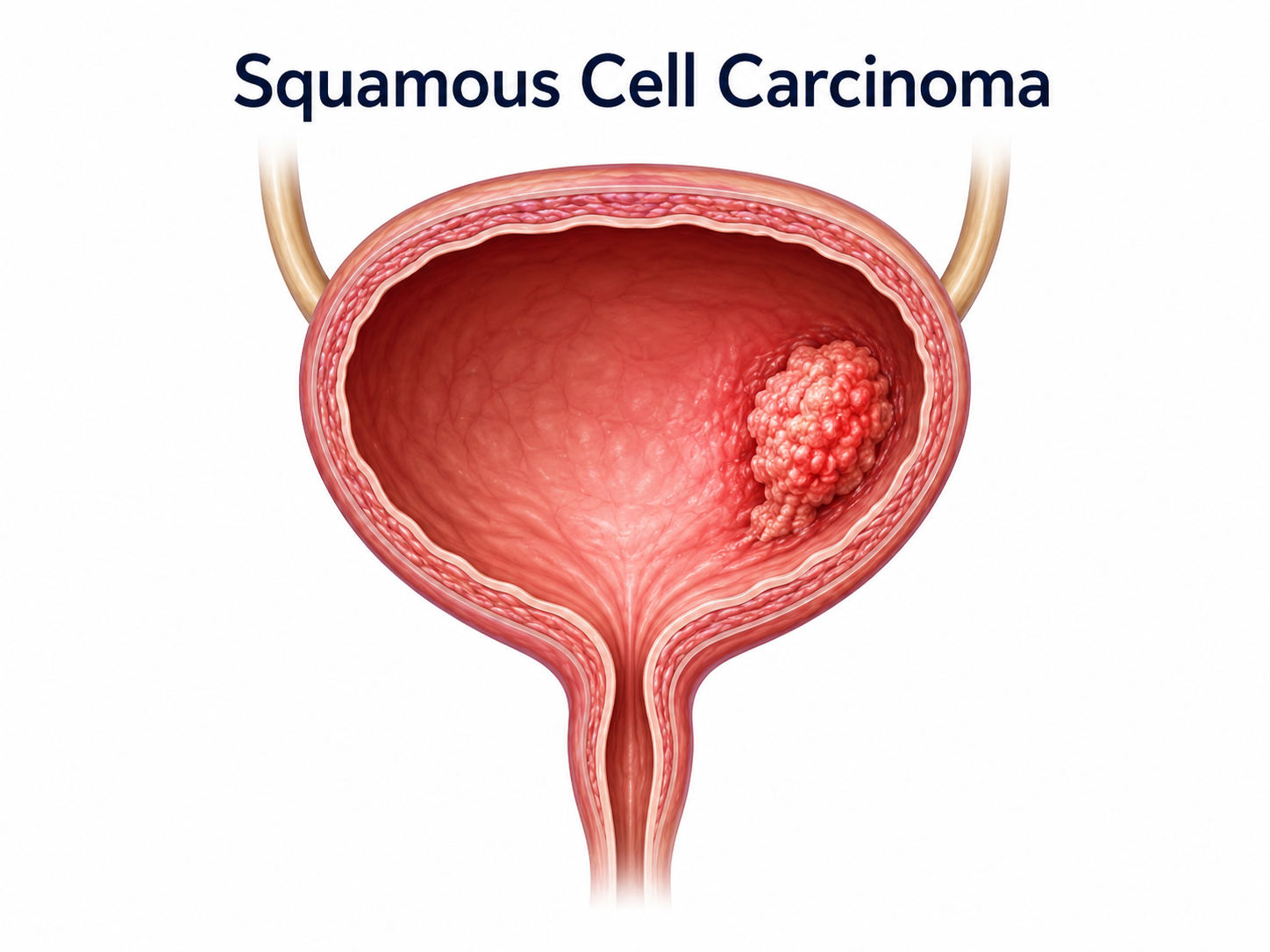
Squamous Cell Carcinoma
A less common type linked to long-term bladder inflammation, infections, or irritation from urinary catheters or bladder stones.
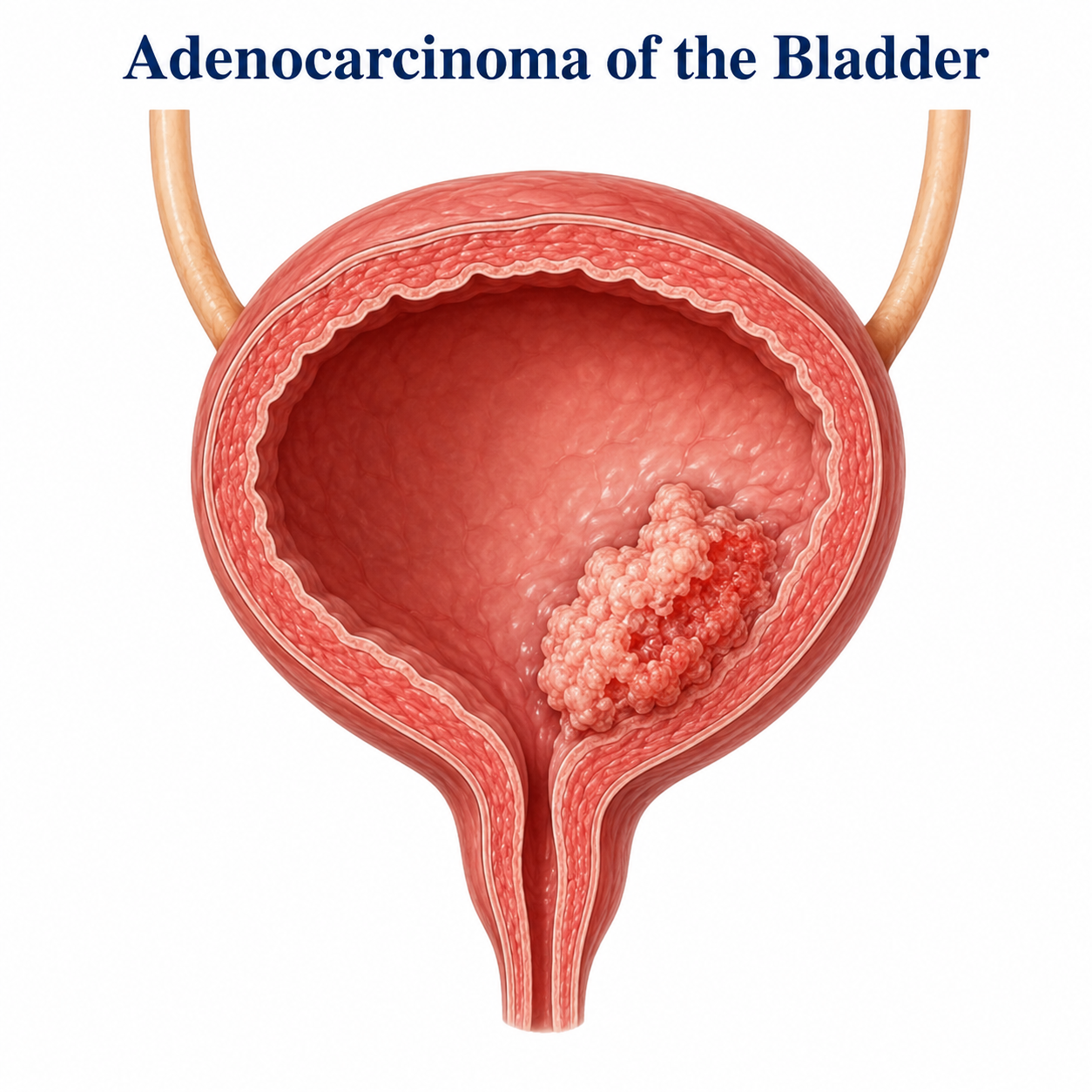
Adenocarcinoma of the Bladder
A rare form that develops in the glandular cells of the bladder, often associated with chronic irritation or congenital bladder abnormalities.
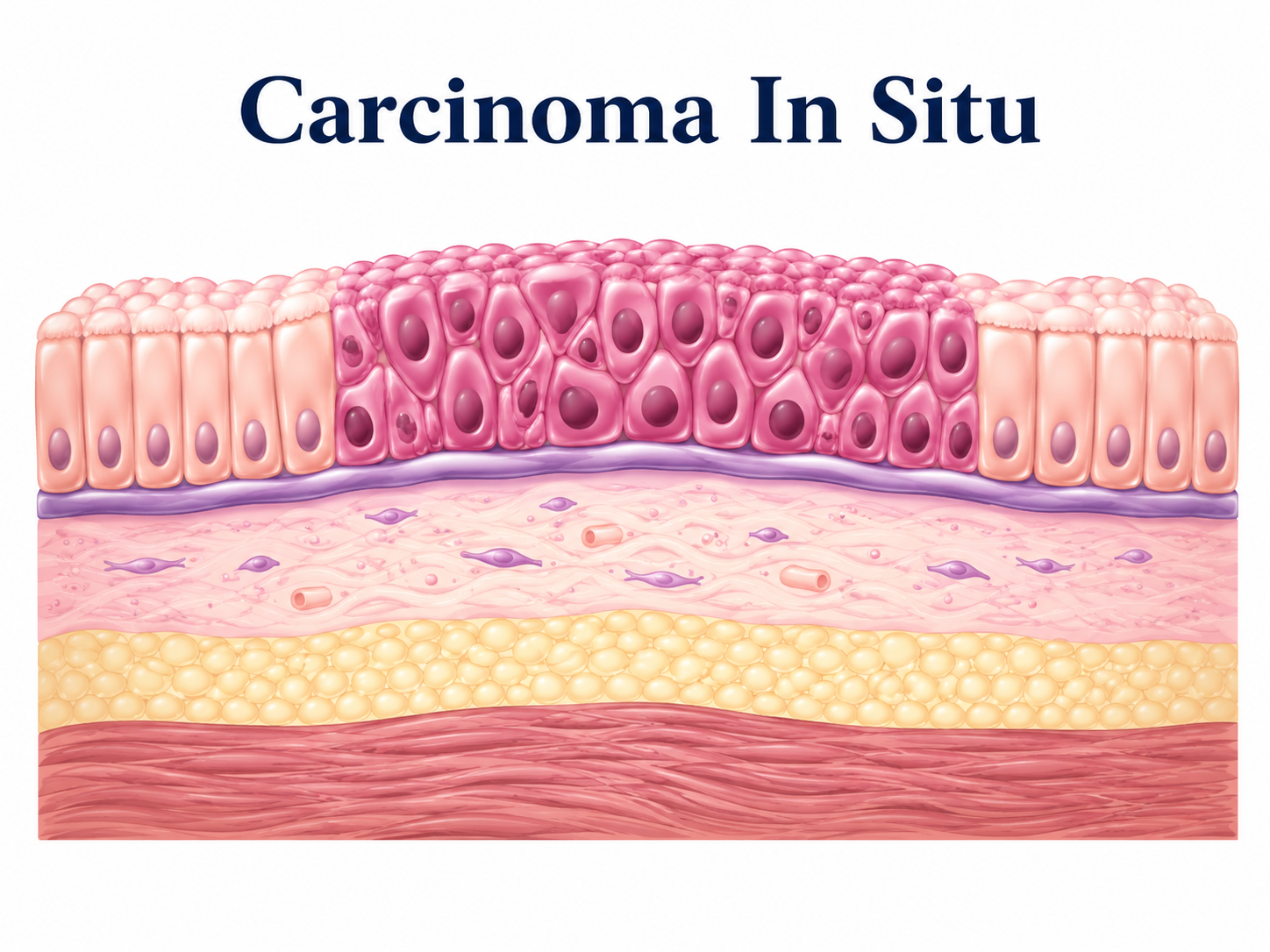
Carcinoma In Situ
A high-grade, flat tumour confined to the bladder lining that does not form a visible mass but has a tendency to progress if left untreated.
What Are the Symptoms of Bladder Cancer That Require a Specialist?
Primary symptoms:
- Blood in urine (haematuria) — visible as pink, red, or dark brown urine, or detected through urine tests
- Painful or burning sensation while passing urine
- Frequent urge to urinate, even when the bladder is not full
- Difficulty passing urine or reduced urine flow
Additional symptoms:
- Back pain on one side, particularly in the lower back or flank area
- Unexplained weight loss or persistent fatigue
- Swelling in the legs caused by blockage of lymph nodes
- Loss of appetite over an extended period
- Bone pain if the cancer has spread beyond the bladder
How Is Bladder Cancer Diagnosed?
Diagnosing bladder cancer involves a combination of clinical evaluation, laboratory tests, imaging studies, and direct visualisation of the bladder to confirm the presence, location, and extent of abnormal cells.
Medical History and Symptom Review
The doctor records the patient’s urinary symptoms, duration of complaints, occupational history, smoking habits, prior urological conditions, and any family history of cancer.
Urine Test (Urinalysis)
A basic urine test is done to check for the presence of blood, pus cells, or other abnormalities in the urine that may indicate bladder disease.
Urine Cytology
A microscopic examination of urine to detect the presence of cancer cells shed by the bladder lining.
Ultrasound of the Abdomen and Pelvis
An imaging scan to assess the size, shape, and condition of the bladder, kidneys, and urinary tract, and to identify any masses or thickening of the bladder wall.
Cystoscopy
A thin, flexible camera is inserted through the urethra into the bladder, allowing the doctor to directly view the inner bladder lining and identify any suspicious growths or lesions.
Bladder Cancer Treatment Options Available at Dr. Mhaske's Clinic in Pimpri Chinchwad
TURBT (Transurethral Resection of Bladder Tumour)
A minimally invasive procedure used to remove tumours confined to the inner layers of the bladder. It serves both as a diagnostic and treatment procedure for early-stage bladder cancer.
Intravesical Therapy (BCG or Chemotherapy)
Medicines are delivered directly into the bladder through a catheter to destroy remaining cancer cells and reduce the risk of recurrence after TURBT.
Radical Cystectomy
Surgical removal of the bladder is performed for muscle-invasive or recurring bladder cancer. A urinary diversion is created to allow urine to drain out of the body through an alternative pathway.
Partial Cystectomy
A section of the bladder containing the tumour is surgically removed in select cases where the cancer is limited to one area and the rest of the bladder can be preserved.
Systemic Chemotherapy
Chemotherapy drugs are administered through the bloodstream to target cancer cells throughout the body, often used before or after surgery in muscle-invasive cases.
What Is the Cost of Bladder Cancer Treatment in Pimpri Chinchwad?
The cost of bladder cancer treatment in Pimpri Chinchwad depends on several factors, including the stage and grade of the cancer, the treatment plan recommended, the need for surgery, the type of procedure, hospital stay duration, and post-treatment follow-up care. Each patient’s condition is unique, and the final cost is determined after a thorough clinical evaluation.
Consultation and Initial Evaluation:
Lowest cost — typically includes doctor consultation, urine test, and initial assessment.
Cystoscopy and Diagnostic Biopsy:
Low to moderate cost — includes cystoscopy, tissue sampling, and pathological examination to confirm diagnosis.
TURBT Procedure:
Moderate cost — depends on the size and number of tumours, anaesthesia, and recovery care.
Intravesical Therapy (BCG or Chemotherapy):
Moderate cost — depends on the number of treatment cycles, medicines used, and monitoring required.
Radical Cystectomy:
Higher cost — includes surgical procedure, anaesthesia, hospital stay, urinary diversion creation, and post-operative care.
.
Book a Consultation with
Dr. Sunil Mhaske
Leading Urologist & Andrologist in Pune & Pimpri Chinchwad. Fill the form and our team will reach out to confirm your appointment.
Request an Appointment
Our team will call you back within 24 hours to confirm your slot.
What Patients Say About Bladder Cancer Treatment at Dr. Mhaske's Clinic
Posted on Google Ganesh GawadeTrustindex verifies that the original source of the review is Google. Dr. Sunil Mhaske performed my kidney stone surgery excellently and gave great advice on the precautions to follow afterwards. I would recommend him to everyone.Posted on Google tejas shelarTrustindex verifies that the original source of the review is Google. Went here for kidney stone treatment Dr. Sunil Mhaske checked our reports and given us advice of what best we can do. Its been a very good experience.Posted on Google Manisha KarpeTrustindex verifies that the original source of the review is Google. I had a very good experience at the hospital. The doctors were knowledgeable and explained the treatment clearly. The nursing staff was caring and the facilities were clean and well maintained. Thank you to the entire team for the excellent care and support., and the facilities were clean and well maintained. Thank you to the entire team for the excellent care and support.Posted on Google Akshay K. JoshiTrustindex verifies that the original source of the review is Google. Best treatment best doctor. Dr Mhaske is very professional and seasoned in his work. The hospital is clean and hygienic. The staff is very cooperative too.Posted on Google Bhagwanti JainTrustindex verifies that the original source of the review is Google. Dr. Sunil Mhaske is a great doctor. He has always explained to us the problem in depth with so much patience. He attentively listens to concerns and makes every patient feel like family. He is very professional and whomever I have recommended has always confidently recommended him further. Loads of blessings to him.Posted on Google Ravi PardeshiTrustindex verifies that the original source of the review is Google. I am extremely grateful to Dr. Sunil Mhaske for the excellent treatment provided to my father. His diagnosis was accurate, and he explained every step of the treatment clearly and patiently. Throughout the entire process, he was professional, caring, and compassionate. Thanks to his expertise and dedication, my father recovered very well and is now doing much better. I highly recommend Dr. Sunil Mhaske to anyone seeking the best urology care. Thank you, Doctor, for your outstanding support and treatment.Posted on Google Piyush NimbalkarTrustindex verifies that the original source of the review is Google. Review from Pankaj vasant nimbalkar would like to extend my sincere gratitude to Dr. Sunil Mhaske and his outstanding team for the exceptional care I received. The level of professionalism and seamless coordination between Dr. Mhaske and his staff is truly commendable. From the initial consultation to the administrative and clinical follow-through, every member of the team operated with the highest efficiency, empathy, and dedication. Having a highly skilled specialist backed by such a supportive, well-organized team made a significant difference in my healthcare experience. I highly recommend their collective expertisePosted on Google Nitin FundeTrustindex verifies that the original source of the review is Google. I had a very positive experience with Dr. Sunil Mhaske. What impressed me the most was the way he patiently listened to my concerns and took the time to understand my condition before suggesting any treatment. He is extremely soft-spoken, approachable, and makes patients feel comfortable from the very first consultation. His diagnosis and guidance were clear, practical, and reassuring. It is rare to find a doctor who combines professional expertise with genuine care and empathy. Dr. Mhaske treats patients with respect and gives them the confidence that they are in safe hands. I sincerely appreciate his dedication and would highly recommend him to anyone looking for a skilled and compassionate doctor. Ca Nitin Funde
FAQs on Bladder Cancer Treatment
Bladder cancer is the abnormal and uncontrolled growth of cells in the bladder lining. The most common type starts in the urothelial cells that line the inside of the bladder.
Smokers, people exposed to industrial chemicals (such as dyes, rubber, or paint), those with chronic bladder infections, and individuals over the age of 55 are at higher risk. Men are more commonly affected than women.
Not necessarily. Blood in urine can be caused by urinary tract infections, kidney stones, or other urological conditions. However, any visible blood in urine should be evaluated by a urologist without delay, as it is also the most common early symptom of bladder cancer.
Cystoscopy and urine cytology can indicate the possibility of bladder cancer, but a tissue biopsy is required to confirm the diagnosis and determine the grade and extent of the cancer.
TURBT stands for Transurethral Resection of Bladder Tumour. It is a minimally invasive procedure in which a surgeon removes visible tumours from the bladder wall through the urethra, without making any external incisions. It is used for both diagnosis and treatment of early-stage bladder cancer.
When detected at an early, non-muscle-invasive stage, bladder cancer has a good prognosis and a high rate of successful treatment. However, bladder cancer has one of the highest recurrence rates among all cancers, which makes regular follow-up essential.
Non-muscle-invasive bladder cancer (NMIBC) is confined to the inner lining of the bladder and is generally treated with TURBT and intravesical therapy. Muscle-invasive bladder cancer (MIBC) has spread deeper into the bladder wall and may require surgery, chemotherapy, or a combination of both.
After treatment, regular cystoscopy and urine cytology are scheduled to monitor for recurrence. The frequency of follow-up depends on the cancer grade, stage, and type of treatment received.
BCG (Bacillus Calmette-Guerin) is a biological agent instilled directly into the bladder after TURBT to stimulate the immune system and reduce the chances of cancer returning or progressing.
Smoking is the single most significant risk factor for bladder cancer, accounting for a large proportion of cases. The harmful chemicals in tobacco are filtered through the kidneys and concentrated in the urine, where they remain in contact with the bladder lining.
Yes, in advanced stages, bladder cancer can spread to nearby lymph nodes, surrounding organs, and in some cases to distant sites such as the lungs, liver, or bones.
Any blood in the urine — whether visible or detected on testing — along with persistent burning during urination, frequent or urgent urination, lower abdominal pain, or difficulty passing urine should be promptly evaluated by a urologist.