Reconstructive Urology Treatment in Pimpri Chinchwad
Meet Dr. Sunil Mhaske
Best ITIND Treatment Specialist in Pune
Dr. Sunil Mhaske
What Is Reconstructive Urology?
Reconstructive urology is a specialised area of urology that repairs and restores parts of the urinary tract or male genital system affected by narrowing, blockage, injury, previous surgery, or birth-related abnormalities. It commonly involves the urethra, bladder, ureters, penis, and nearby tissues.
Treatment may be required for urethral stricture, urinary fistula, traumatic injury, surgical complications, or congenital urinary problems. Dr. Sunil Mhaske provides personalised evaluation and reconstructive urology treatment in Pimpri Chinchwad to improve urine flow, reduce discomfort, and restore urinary function. To book an appointment, call +91 80874 93346.
Types of Reconstructive Urology Problems Treated by Dr. Sunil Mhaske

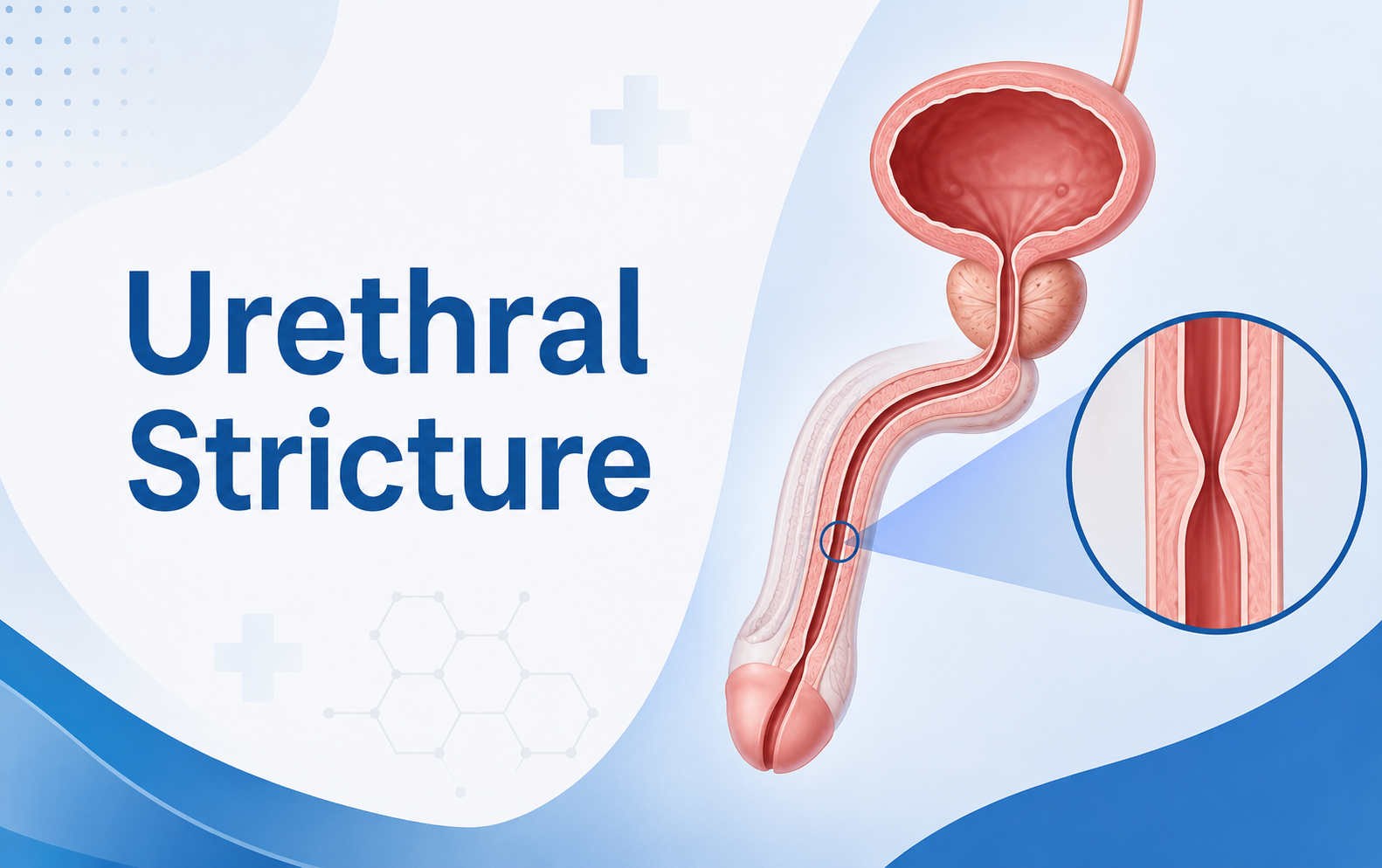
Urethral Stricture
Urethral stricture occurs when scar tissue narrows the urethra and restricts urine flow. It may cause a weak stream, straining, incomplete bladder emptying, or repeated urinary infections..
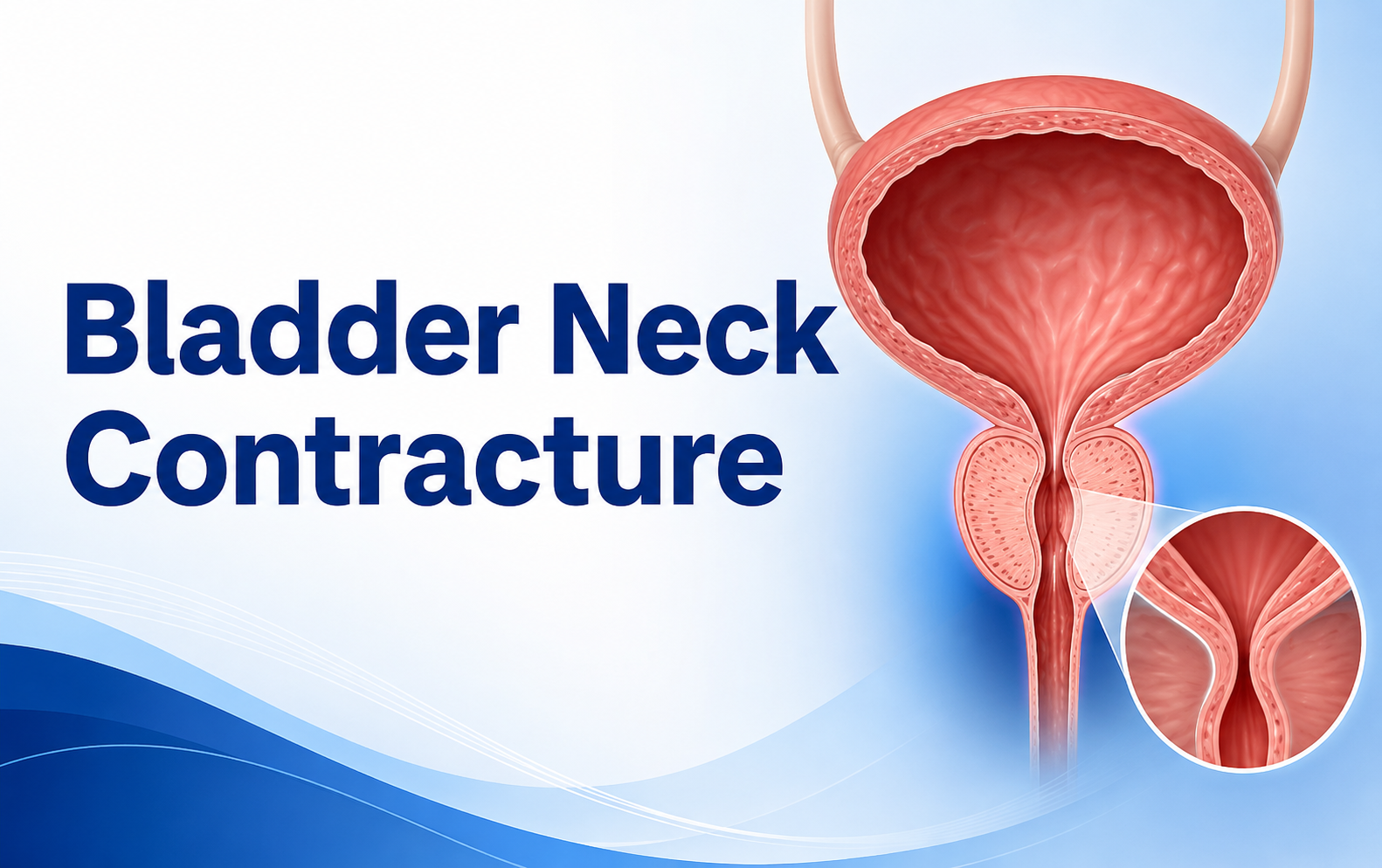
Bladder Neck Contracture
Bladder neck contracture develops when scar tissue forms at the opening of the bladder. It may occur after prostate surgery and can make urination slow, difficult, or painful.
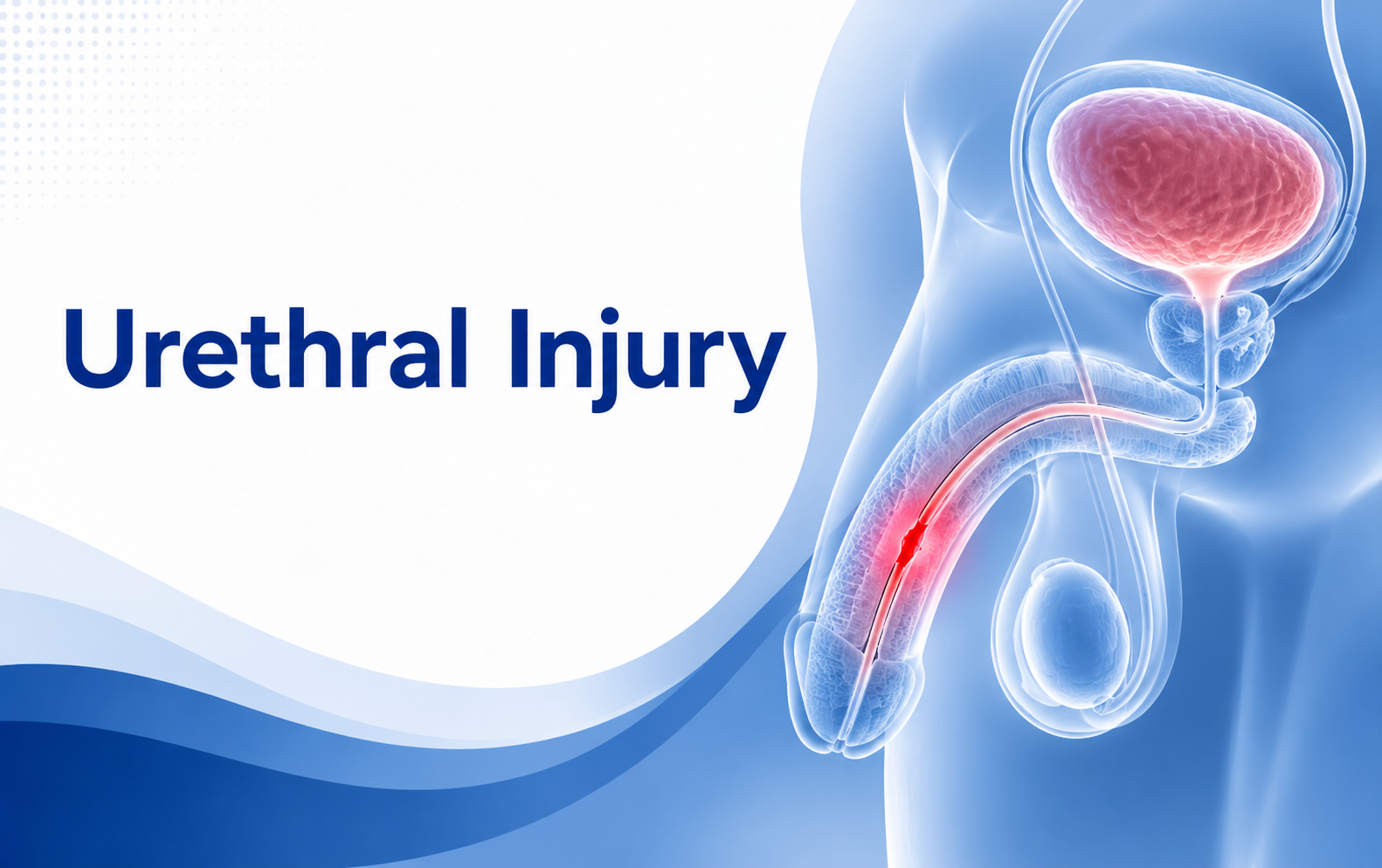
Urethral Injury
The urethra may be damaged due to pelvic fractures, accidents, catheter-related trauma, or previous surgery. Reconstructive treatment helps restore the urinary passage and improve urine flow.
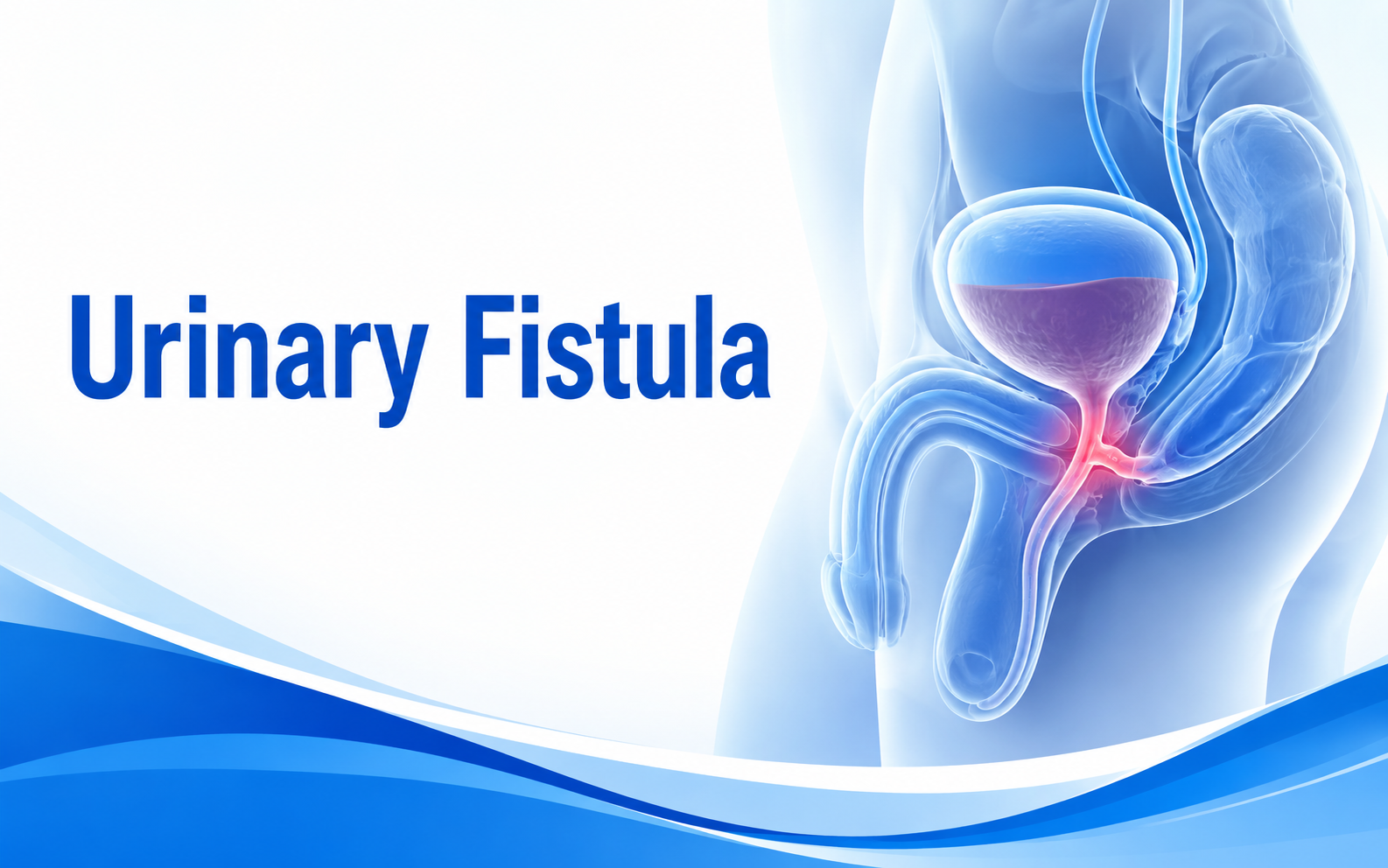
Urinary Fistula
A urinary fistula is an abnormal connection between the urinary tract and another organ or the skin. It may lead to continuous urine leakage, infections, and irritation
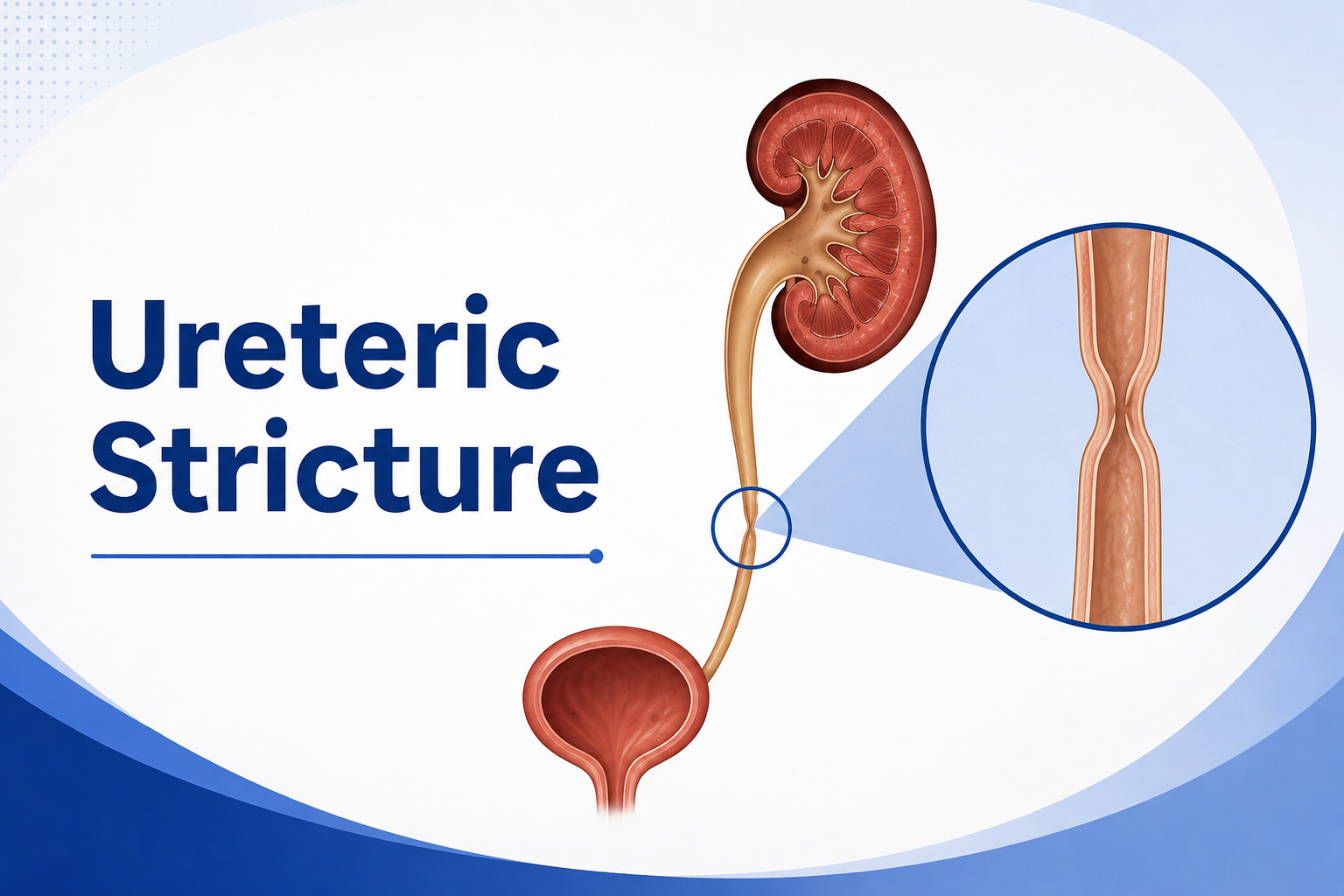
Ureteric Stricture
A ureteric stricture is a narrowing of the tube that carries urine from the kidney to the bladder. It can cause kidney swelling, side pain, infection, or reduced kidney function.
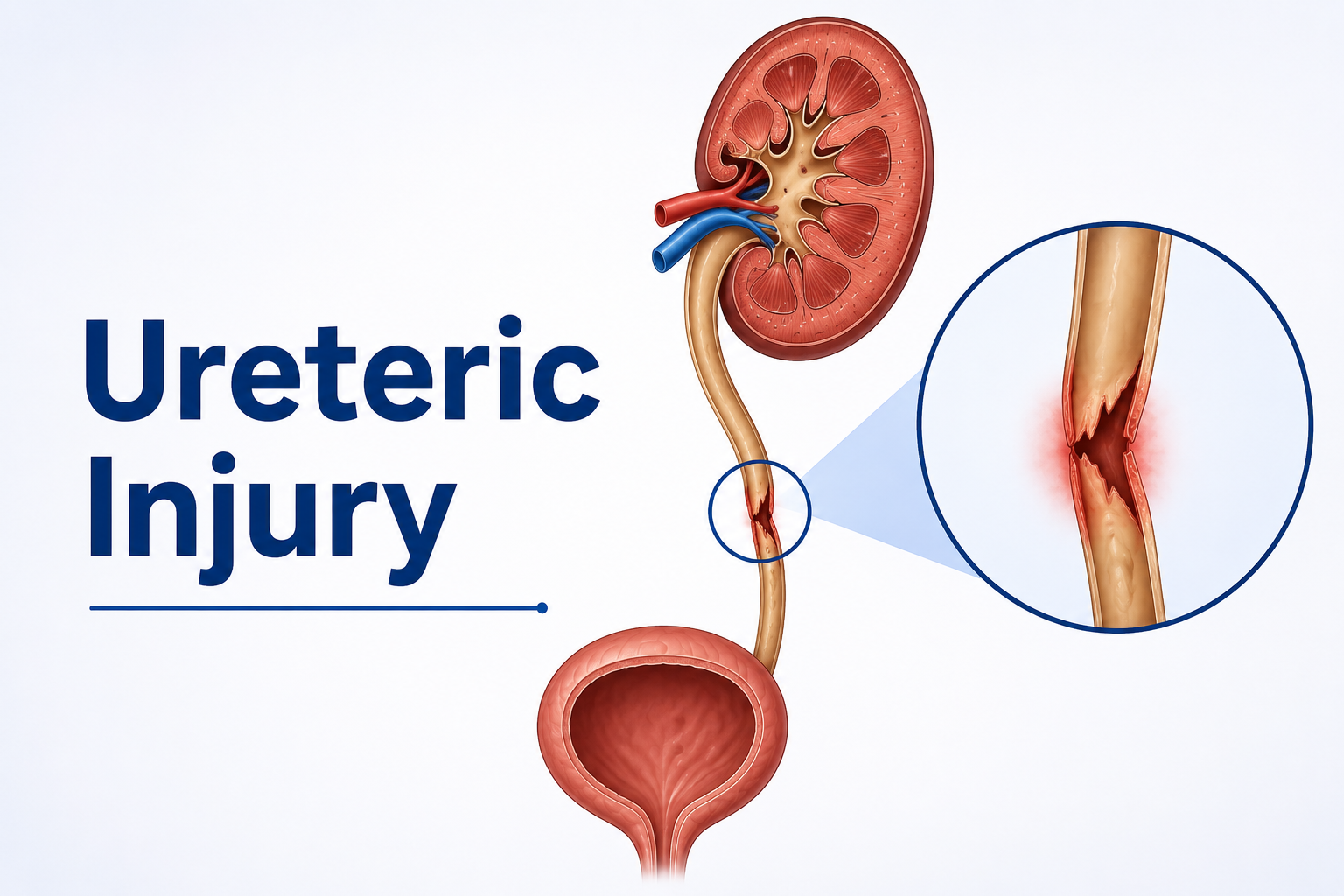
Ureteric Injury
Ureteric injuries may occur during abdominal or pelvic surgery, trauma, or radiation treatment. Repair is often needed to prevent urine leakage and protect kidney function.
Symptoms of Reconstructive Urology Problems That Need Specialist Care
Primary symptoms:
• Weak, slow, or interrupted urine flow
• Difficulty starting urination or straining to pass urine
• Feeling that the bladder has not emptied completely
• Frequent or urgent need to urinate
Additional symptoms:
• Blood in the urine
• Continuous urine leakage through an unusual opening
• Swelling, pain, or discomfort in the lower abdomen
• Side or back pain caused by a urinary blockage
How Are Reconstructive Urology Problems Diagnosed?
Reconstructive urology problems are diagnosed by reviewing urinary symptoms, previous surgeries, injuries, infections, and existing medical conditions. Physical examination, urine tests, ultrasound, uroflowmetry, cystoscopy, and specialized imaging may be used to locate narrowing, blockage, leakage, scar tissue, or damage within the urinary tract.
- Medical History Review
The urologist asks about weak urine flow, straining, urine leakage, repeated infections, previous catheter use, pelvic injury, radiation treatment, and earlier prostate, bladder, urethral, or abdominal surgeries.
- Urine Tests
Urine analysis and urine culture help detect infection, blood, pus cells, bacteria, and other abnormalities. Treating an active infection may be necessary before planning a reconstructive procedure.
- Uroflowmetry
Uroflowmetry measures the speed and pattern of urine flow. A slow, interrupted, or reduced flow may suggest urethral stricture, bladder neck narrowing, or another form of urinary obstruction.
- Ultrasound Examination
Ultrasound helps examine the kidneys, bladder, ureters, and the amount of urine remaining after urination. It can reveal kidney swelling, bladder changes, urine retention, stones, or obstruction.
- Physical Examination
A physical examination helps identify abdominal swelling, bladder fullness, surgical scars, abnormal urinary openings, genital changes, tissue damage, or signs of injury involving the urethra and surrounding structures.
- Cystoscopy
Cystoscopy uses a thin camera to examine the urethra and bladder from inside. It allows the urologist to identify scar tissue, narrowing, blockage, fistula openings, or complications following previous treatment.
Reconstructive Urology Treatments Available at Dr. Sunil Mhaske’s Clinic in Pimpri Chinchwad
Dr. Sunil Mhaske’s clinic provides personalised reconstructive urology treatment for urinary tract narrowing, blockage, leakage, injury, congenital abnormalities, and complications following previous surgery. The treatment approach is selected after evaluating the patient’s symptoms, medical history, diagnostic reports, location of the problem, and extent of urinary tract damage.
- Urethral Stricture Treatment
Urethral stricture treatment aims to widen or rebuild the narrowed urinary passage. Depending on the length and severity of the stricture, treatment may include endoscopic procedures, urethral dilatation, or urethroplasty.
- Urethroplasty
Urethroplasty is a reconstructive procedure used to remove or repair scarred sections of the urethra. Healthy tissue may be used to rebuild the urinary channel and restore smoother urine flow.
- Bladder Neck Contracture Treatment
Scar tissue at the bladder outlet may lead to weak urine flow, straining, or incomplete bladder emptying. Treatment may include endoscopic incision, scar removal, or reconstructive surgery in recurrent cases.
- Urinary Fistula Repair
Urinary fistula treatment closes an abnormal connection between the urinary tract and another organ or the skin. Surgical repair helps control urine leakage, reduce repeated infections, and restore the normal urinary pathway.
- Ureteric Stricture Treatment
Narrowing of the ureter can block urine flow from the kidney to the bladder. Treatment may involve endoscopic correction, stenting, or reconstructive surgery to relieve the obstruction and protect kidney function.
- Ureteric Injury Repair
Ureteric injuries caused by surgery, trauma, or radiation may require reconstruction. The damaged section may be repaired, reconnected, or reimplanted into the bladder to prevent urine leakage and kidney damage.
What Is the Cost of Reconstructive Urology Treatment in Pimpri Chinchwad?
The cost of reconstructive urology treatment in Pimpri Chinchwad depends on the affected part of the urinary tract, severity of narrowing or damage, diagnostic tests required, procedure complexity, hospital stay, anaesthesia, and follow-up care. Conditions such as urethral stricture, urinary fistula, ureteric injury, bladder neck contracture, urine leakage, or complications after previous surgery require different treatment approaches, so the final expense varies for each patient.
Consultation and Initial Assessment
Lowest cost — usually includes consultation, symptom review, medical and surgical history, physical examination, and basic treatment advice.
Urine and Blood Tests
Low cost — may include urine analysis, urine culture, kidney function tests, blood counts, and other laboratory investigations required before treatment.
Uroflowmetry and Bladder Evaluation
Low to moderate cost — measures urine flow and checks how well the bladder empties. Additional bladder-function tests may be advised for urinary leakage or retention.
Ultrasound and Imaging Tests
Low to moderate cost — may include ultrasound, retrograde urethrogram, micturating cystourethrogram, CT scan, or MRI to locate narrowing, leakage, blockage, or urinary tract injury.
Cystoscopy
Moderate cost — involves examining the urethra and bladder with a small camera to identify scar tissue, stricture, blockage, fistula, or post-surgical complications.
Urethral Stricture Treatment
Moderate to higher cost — expenses depend on whether the patient requires dilatation, an endoscopic procedure, or reconstructive urethroplasty.
Book a Consultation with
Dr. Sunil Mhaske
Leading Urologist & Andrologist in Pune & Pimpri Chinchwad. Fill the form and our team will reach out to confirm your appointment.
Request an Appointment
Our team will call you back within 24 hours to confirm your slot.
What Patients Say About Reconstructive Urology Treatment at Dr. Mhaske's Clinic
Posted on Google Ganesh GawadeTrustindex verifies that the original source of the review is Google. Dr. Sunil Mhaske performed my kidney stone surgery excellently and gave great advice on the precautions to follow afterwards. I would recommend him to everyone.Posted on Google tejas shelarTrustindex verifies that the original source of the review is Google. Went here for kidney stone treatment Dr. Sunil Mhaske checked our reports and given us advice of what best we can do. Its been a very good experience.Posted on Google Manisha KarpeTrustindex verifies that the original source of the review is Google. I had a very good experience at the hospital. The doctors were knowledgeable and explained the treatment clearly. The nursing staff was caring and the facilities were clean and well maintained. Thank you to the entire team for the excellent care and support., and the facilities were clean and well maintained. Thank you to the entire team for the excellent care and support.Posted on Google Akshay K. JoshiTrustindex verifies that the original source of the review is Google. Best treatment best doctor. Dr Mhaske is very professional and seasoned in his work. The hospital is clean and hygienic. The staff is very cooperative too.Posted on Google Bhagwanti JainTrustindex verifies that the original source of the review is Google. Dr. Sunil Mhaske is a great doctor. He has always explained to us the problem in depth with so much patience. He attentively listens to concerns and makes every patient feel like family. He is very professional and whomever I have recommended has always confidently recommended him further. Loads of blessings to him.Posted on Google Ravi PardeshiTrustindex verifies that the original source of the review is Google. I am extremely grateful to Dr. Sunil Mhaske for the excellent treatment provided to my father. His diagnosis was accurate, and he explained every step of the treatment clearly and patiently. Throughout the entire process, he was professional, caring, and compassionate. Thanks to his expertise and dedication, my father recovered very well and is now doing much better. I highly recommend Dr. Sunil Mhaske to anyone seeking the best urology care. Thank you, Doctor, for your outstanding support and treatment.Posted on Google Piyush NimbalkarTrustindex verifies that the original source of the review is Google. Review from Pankaj vasant nimbalkar would like to extend my sincere gratitude to Dr. Sunil Mhaske and his outstanding team for the exceptional care I received. The level of professionalism and seamless coordination between Dr. Mhaske and his staff is truly commendable. From the initial consultation to the administrative and clinical follow-through, every member of the team operated with the highest efficiency, empathy, and dedication. Having a highly skilled specialist backed by such a supportive, well-organized team made a significant difference in my healthcare experience. I highly recommend their collective expertisePosted on Google Nitin FundeTrustindex verifies that the original source of the review is Google. I had a very positive experience with Dr. Sunil Mhaske. What impressed me the most was the way he patiently listened to my concerns and took the time to understand my condition before suggesting any treatment. He is extremely soft-spoken, approachable, and makes patients feel comfortable from the very first consultation. His diagnosis and guidance were clear, practical, and reassuring. It is rare to find a doctor who combines professional expertise with genuine care and empathy. Dr. Mhaske treats patients with respect and gives them the confidence that they are in safe hands. I sincerely appreciate his dedication and would highly recommend him to anyone looking for a skilled and compassionate doctor. Ca Nitin Funde
Frequently Asked Questions About Reconstructive Urology
Reconstructive urology is a specialised branch of urology that repairs damaged, narrowed, blocked, or abnormally formed parts of the urinary tract and male genital system. Its purpose is to restore urine flow, bladder control, and normal urinary function.
A urethral stricture develops when scar tissue narrows the tube that carries urine out of the body. It may cause weak urine flow, straining, spraying, incomplete bladder emptying, or repeated urinary infections.
Reconstructive urology treats urethral strictures, urinary fistulas, ureteric narrowing, bladder neck contracture, urinary injuries, post-surgical complications, congenital abnormalities, and urinary incontinence after prostate or pelvic surgery.
Urethral narrowing may result from infection, injury, catheterisation, pelvic trauma, previous urinary procedures, inflammation, or surgery. In some patients, the exact cause may not be clearly identified.
Diagnosis may involve symptom evaluation, uroflowmetry, ultrasound, cystoscopy, and a retrograde urethrogram. These tests help determine the position, length, and severity of the narrowed section.
Urethroplasty is a reconstructive operation used to repair or rebuild a narrowed urethra. The damaged section may be removed and reconnected, or a tissue graft may be used to widen the urinary passage.
Urethral dilatation may provide temporary relief in selected cases, but the narrowing can return. Urethroplasty is often considered for long, severe, or repeatedly recurring strictures because it aims to provide a more lasting repair.
A urinary fistula is an abnormal passage that allows urine to leak between the urinary tract and another organ, body cavity, or the skin. It may cause continuous leakage, irritation, infections, and discomfort.
Yes. Many urinary fistulas can be closed through reconstructive surgery. The method depends on the fistula’s location, size, cause, surrounding tissue condition, and whether the patient has undergone previous operations.
Bladder neck contracture occurs when scar tissue narrows the opening between the bladder and urethra. It may develop after prostate treatment and can cause weak urine flow, straining, retention, or incomplete emptying.
Treatment depends on where and how severely the ureter is damaged. Options may include stenting, reconnecting the injured ends, replacing a damaged segment, or reimplanting the ureter into the bladder.
Yes. Persistent urinary leakage after prostate surgery may be treated with pelvic floor therapy, a male sling, or an artificial urinary sphincter. The treatment is chosen according to the amount and cause of leakage.