loading
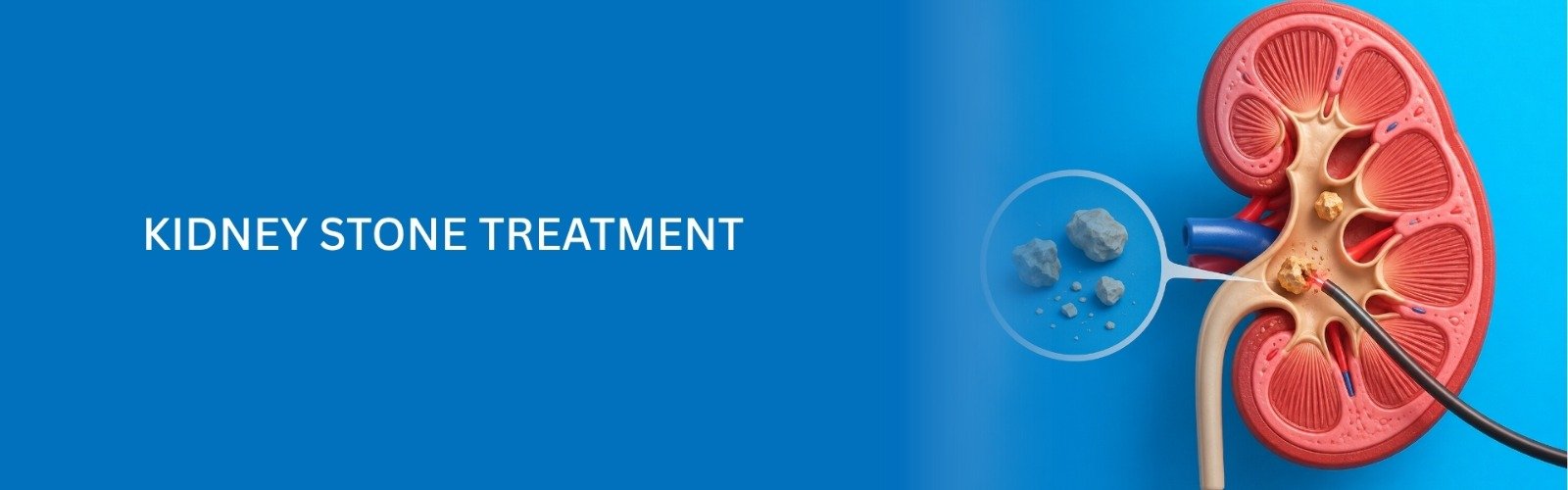
Kidney stone treatment banner

Kidney Stone Treatment in Pimpri Chinchwad

Doctor Credentials – Dr. Sunil Mhaske
Doctor Credentials

Meet Dr. Sunil Mhaske
Best Urologist in Pimpri Chinchwad, Pune

Dr. Sunil Mhaske

Dr. Sunil Mhaske – Urologist Pimpri Chinchwad
Qualification MBBS  |  MS (Surgery)  |  MCh (Urology)
Experience Practising as a Urologist in PCMC, Pune since 2011 (15+ years)
Memberships
Urological Society of India European Association of Urology
Specialization
Laser Urology Robotic Surgery Endoscopic Urology Laparoscopic Urology
Procedure Expertise
URS with Holmium Laser ESWL PCNL Robotic Nephrectomy
Clinic Avenue Plaza, Rahatani Road, above Reliance Digital, near Kokane Chowk, Pimpri Chinchwad View on Google Maps
Timings Monday to Saturday  |  10:00 AM – 9:00 PM

What Is a Kidney Stone?

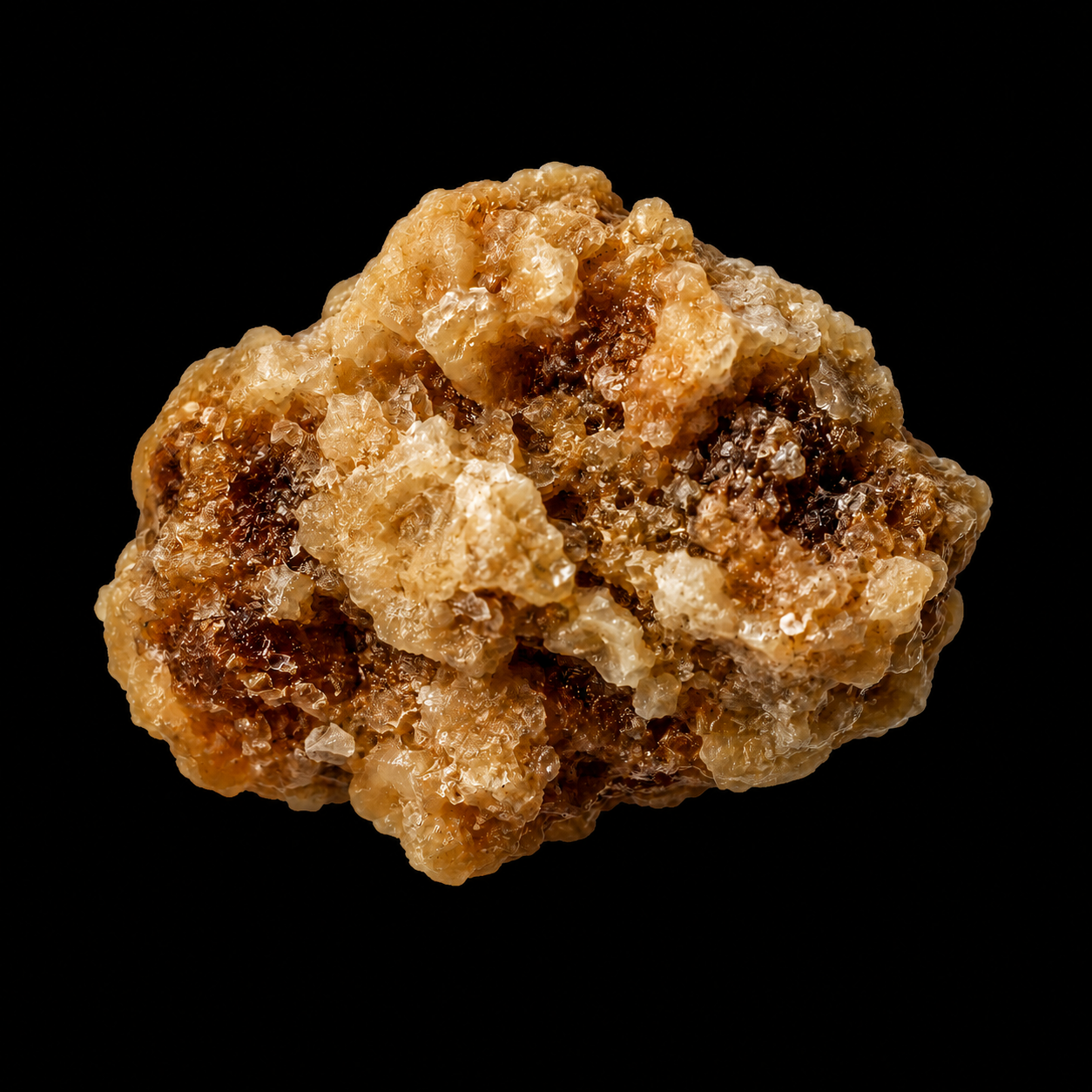
A kidney stone is a hard, solid deposit of minerals and salts that forms inside the kidneys when urine becomes too concentrated. Stones can develop in one or both kidneys and vary in size from a grain of sand to a golf ball. Most kidney stones are made of calcium oxalate, though uric acid, struvite, and cystine stones also occur.

Small stones often pass through the urinary tract on their own with adequate water intake. Larger stones cause severe pain and typically require medical or surgical intervention. If you are experiencing sudden, sharp pain in your back or side, blood in urine, or difficulty urinating, contact Dr. Sunil Mhaske’s clinic in Pimpri Chinchwad immediately at +91 80874 93346.

Types of Kidney Stones Treated by Dr. Sunil Mhaske

Calcium-Oxalate-Stones

Calcium Oxalate Stones

The most common type, forming when calcium combines with oxalate in the urine. Linked to low water intake and high-oxalate foods like spinach, nuts, and chocolate.
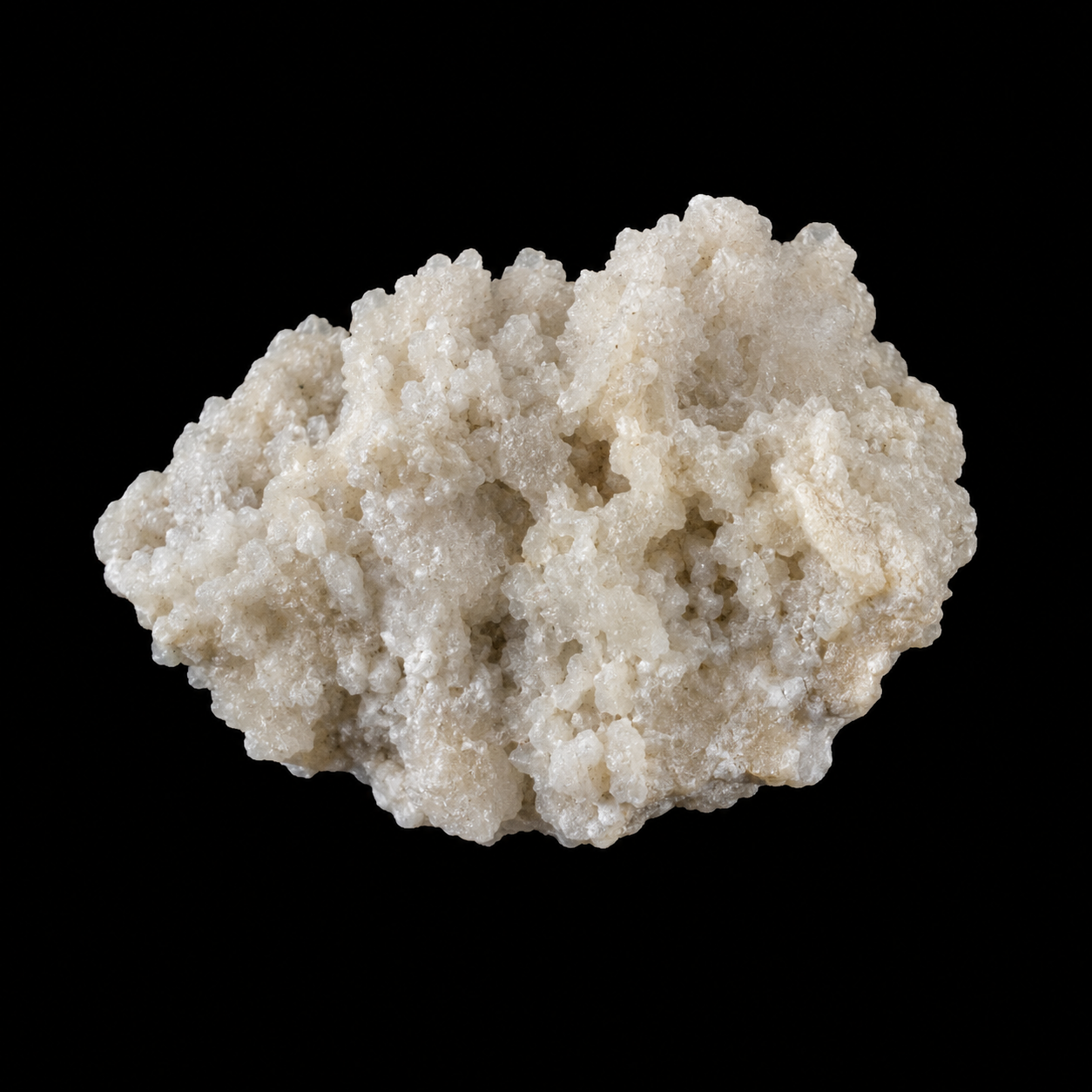
Uric Acid Stones

Form in people who eat high-protein diets, have gout, or have diabetes. These are the only type that can sometimes dissolve with medication.
Struvite-Stones

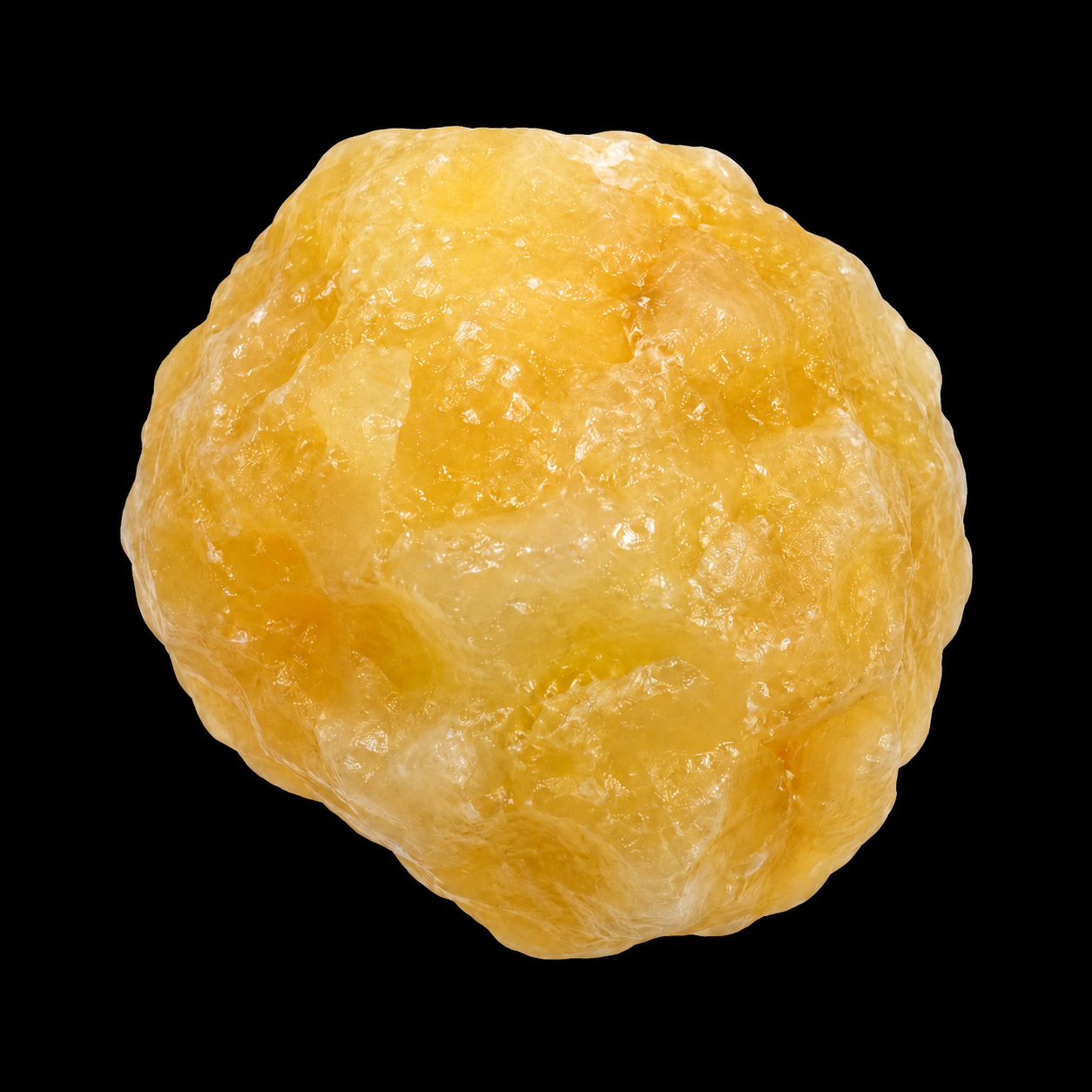
Struvite Stones

Associated with urinary tract infections (UTIs). These can grow large rapidly and often require surgical removal.
Cystine-Stones

Cystine Stones

Rare, hereditary stones that form due to a genetic condition causing the kidney to excrete too much of the amino acid cystine. These are usually harder to treat and may require specialist care.

What Are the Symptoms of Kidney Stones That Require a Specialist?

Primary symptoms:

  • Intense, sharp pain in the side, back, or below the ribs — often coming in waves
  • Pain that radiates to the lower abdomen and groin
  • Burning or pain while urinating
  • Blood in urine (pink, red, or brown discolouration)

Additional symptoms:

  • Cloudy or foul-smelling urine
  • Frequent urge to urinate or urinating in small amounts
  • Nausea and vomiting during pain episodes
  • Fever and chills (this indicates a possible infection 

How Is a Kidney Stone Diagnosed?

Dr. Sunil Mhaske follows a systematic diagnostic process to identify the size, location, type, and composition of kidney stones before recommending treatment. The following tests are commonly used.

Blood Tests — A complete blood count and metabolic panel checks kidney function, calcium levels, and signs of infection.

Urine Analysis — A 24-hour urine collection test identifies the specific minerals causing stone formation, which helps determine the correct preventive treatment.

CT Scan (Non-Contrast) — The gold standard for kidney stone detection. It accurately identifies stone size and exact location, even for small stones. No contrast dye is needed.

Ultrasound — A safe, radiation-free option used to detect stones in the kidney or ureter. Often the first imaging test done.

X-Ray (KUB) — Used to track calcium-based stones and monitor progress after treatment.

Based on these results, Dr. Mhaske recommends the most appropriate treatment — medication, ESWL, laser (URS), or PCNL surgery — depending on stone size, location, and your overall health.

Kidney Stone Treatment Options Available at Dr. Mhaske's Clinic in Pimpri Chinchwad

Laser Treatment for Kidney Stones

Stones between 6 mm and 20 mm in the ureter or kidney.

ESWL - Extracorporeal Shock Wave Lithotripsy

Kidney stones between 5 mm and 20 mm that are located in the kidney (not the ureter) and are accessible by shock waves.

PCNL — Percutaneous Nephrolithotomy

Stones larger than 20 mm, staghorn stones, multiple stones in the kidney, or stones that have not responded to ESWL or laser treatment.

PCNL — Percutaneous Nephrolithotomy

Complex anatomical situations, kidney abnormalities preventing standard access, or patients requiring simultaneous kidney reconstruction.

How Much Does Kidney Stone Treatment Cost in Pimpri Chinchwad?

The cost of kidney stone treatment in Pimpri Chinchwad depends on the type of procedure, stone size and complexity, type of anesthesia, and duration of hospital stay if any. Below is a general cost guide to help patients plan.

Medication (Conservative Management): Lowest cost — typically involves a consultation fee plus prescribed medications. No procedure cost.

ESWL (Shock Wave Lithotripsy): Moderate cost — an outpatient procedure with no hospital stay. Exact charges depend on the number of sessions required.

Laser Treatment (URS with Holmium Laser): Moderate to higher cost — includes procedure charges, anesthesia, and daycare or overnight hospital fee. Most patients are covered partially or fully under insurance.

PCNL Surgery: Higher cost — involves surgical charges, anesthesia, 3–5 day hospital stay, and post-operative follow-up.

For an accurate cost estimate tailored to your condition, book a consultation with Dr. Sunil Mhaske. The appropriate treatment — and its cost — can only be determined after examining the size, type, and location of your specific stone.

Contact Form – Dr. Sunil Mhaske Urology
Get In Touch

Book a Consultation with
Dr. Sunil Mhaske

Leading Urologist & Andrologist in Pune & Pimpri Chinchwad. Fill the form and our team will reach out to confirm your appointment.

Request an Appointment

Our team will call you back within 24 hours to confirm your slot.

What Patients Say About Kidney Stone Treatment at Dr. Mhaske's Clinic

Frequently Asked Questions — Kidney Stone Specialist in Pimpri Chinchwad

The best kidney stone treatment depends on the size and location of the stone. For stones smaller than 6 mm, medication and hydration are often sufficient. For medium stones (6–20 mm), laser treatment (URS with Holmium laser) is the most effective and minimally invasive option. For large stones above 20 mm, PCNL surgery is recommended. Dr. Sunil Mhaske at his clinic in Pimpri Chinchwad provides all three treatment options under one roof.

The cost of kidney stone treatment in Pimpri Chinchwad varies based on the procedure. Medication-based management is the most affordable. Laser treatment (URS) costs are moderate and most insurance plans cover a part of it. ESWL is an outpatient procedure and typically less expensive than surgery. PCNL surgery for large stones involves higher costs due to the hospital stay and surgical complexity. For an accurate quote, contact Dr. Sunil Mhaske at +91 80874 93346.

Kidney stones smaller than 6 mm may pass on their own with medication. Stones between 6 mm and 20 mm typically require laser treatment (URS) or ESWL. Stones larger than 20 mm, or stones that are multiple, complex, or located unfavourably in the kidney, usually require PCNL surgery. Dr. Sunil Mhaske determines the appropriate approach after reviewing your CT scan.

Yes, laser kidney stone treatment (URS with Holmium laser) is a safe, well-established minimally invasive procedure. It involves no external incision, is performed under anesthesia, and has a very low complication rate. Most patients are discharged the same day and return to normal activity within 48 hours. Dr. Sunil Mhaske has performed laser kidney stone procedures for over 15 years at his PCMC clinic.

Recovery time depends on the procedure. For laser treatment (URS), most patients go home the same day and recover within 1–3 days. For ESWL, patients return home the same day and pass fragments over 2–4 weeks. For PCNL surgery, patients spend 3–5 days in hospital and recover fully at home within 2–4 weeks. Dr. Mhaske provides a detailed post-procedure care plan to ensure smooth recovery.

Dr. Sunil Mhaske is an MCh-qualified Consultant Urologist with over 15 years of experience in PCMC, Pune. He is a member of the Urological Society of India and the European Association of Urology and specializes in laser, robotic, and laparoscopic urology. He offers all kidney stone treatment options — medication, ESWL, laser (URS), and PCNL — under one roof at his conveniently located Pimpri Chinchwad clinic, with same-day discharge available for eligible patients.

ESWL uses external sound waves to break stones from outside the body without any procedure entering the body. It is best for stones in the kidney that are less than 20 mm. Laser treatment (URS) uses a thin camera inserted through the urinary tract to reach the stone directly and vaporize it with a laser. URS is more effective for stones in the ureter and has a higher stone-free rate than ESWL in most cases. Dr. Sunil Mhaske recommends the appropriate option based on stone location and size.

Yes. Many kidney stones — particularly those smaller than 6 mm — can be treated without surgery using medications such as alpha-blockers and pain relievers, combined with increased water intake. ESWL is also a non-surgical procedure as it does not involve any incision. Surgery (laser or PCNL) is required for larger, impacted, or infection-causing stones. Dr. Mhaske will first evaluate whether non-surgical management is suitable for your specific stone.

Kidney stones form when urine becomes too concentrated with minerals such as calcium, oxalate, and uric acid. When fluid levels are insufficient to dissolve these minerals, crystals form and gradually harden into stones. Contributing factors include low water intake, a high-sodium or high-protein diet, obesity, family history, certain medications, and chronic urinary tract infections.

Yes, kidney stones have a recurrence rate of approximately 50% within 5 years without preventive care. Dr. Sunil Mhaske provides a personalized prevention plan after treatment — including dietary guidance, hydration targets, and where necessary, preventive medication — to significantly reduce the risk of new stone formation.

You should see a kidney stone specialist if you experience: severe pain in the back, side, or groin; blood in urine; pain while urinating; repeated urinary tract infections; or a history of kidney stones. If pain is accompanied by fever and chills, seek emergency care immediately as this may indicate an infected obstruction. For non-emergency cases, book a consultation with Dr. Sunil Mhaske at +91 80874 93346.

Yes. Kidney stones affect both men and women. Dr. Sunil Mhaske is a urologist who treats kidney stones in male and female patients of all ages, including elderly patients and those with complex medical histories. His clinic also specializes in female urology for women with urinary conditions related to or separate from kidney stones.

Location - Kidney Stone Specialist In Pimpri Chinchwad