loading
Prostate-Enlargement-Treatment-In-Pune

Prostate Enlargement Treatment In Pimpri Chinchwad

Doctor Credentials – Dr. Sunil Mhaske
Doctor Credentials

Meet Dr. Sunil Mhaske
Best Prostate Enlarged Specialist in Pimpri Chinchwad

Dr. Sunil Mhaske

Dr. Sunil Mhaske – Urologist Pimpri Chinchwad
Qualification MBBS  |  MS (Surgery)  |  MCh (Urology)
Experience Practising as a Urologist in PCMC, Pune since 2011 (15+ years)
Memberships
Urological Society of India European Association of Urology
Specialization
Laser Urology Robotic Surgery Endoscopic Urology Laparoscopic Urology
Procedure Expertise
URS with Holmium Laser ESWL PCNL Robotic Nephrectomy
Clinic Avenue Plaza, Rahatani Road, above Reliance Digital, near Kokane Chowk, Pimpri Chinchwad View on Google Maps
Timings Monday to Saturday  |  10:00 AM – 9:00 PM
CTA – Dr. Sunil Mhaske Urology
Expert Urology Care • Pune & Pimpri Chinchwad

Consult Dr. Sunil Mhaske
Kidney Stone Specialist In Pimpri Chinchwad

Available for in-person & online consultations. Book your slot today.

What Is an Enlarged Prostate?

An enlarged prostate is a common condition in men where the prostate gland becomes bigger than its normal size. The prostate is a small gland located below the bladder and around the urine tube. When it grows larger, it can press on the urine passage and disturb normal urination. This condition is also called Benign Prostatic Hyperplasia (BPH) and is usually non-cancerous.

Men with an enlarged prostate may notice symptoms like frequent urination, weak urine flow, difficulty starting urine, incomplete bladder emptying, urgent urination, or waking up many times at night to pass urine. If these symptoms affect daily life, it is important to consult a urologist for proper diagnosis and treatment guidance.

Types of Prostate Enlargement Treated by Dr. Sunil Mhaske

Benign Prostatic Hyperplasia

Benign Prostatic Hyperplasia

Benign Prostatic Hyperplasia, also called BPH, is the most common type of prostate enlargement. It is a non-cancerous growth of the prostate gland that usually happens with aging
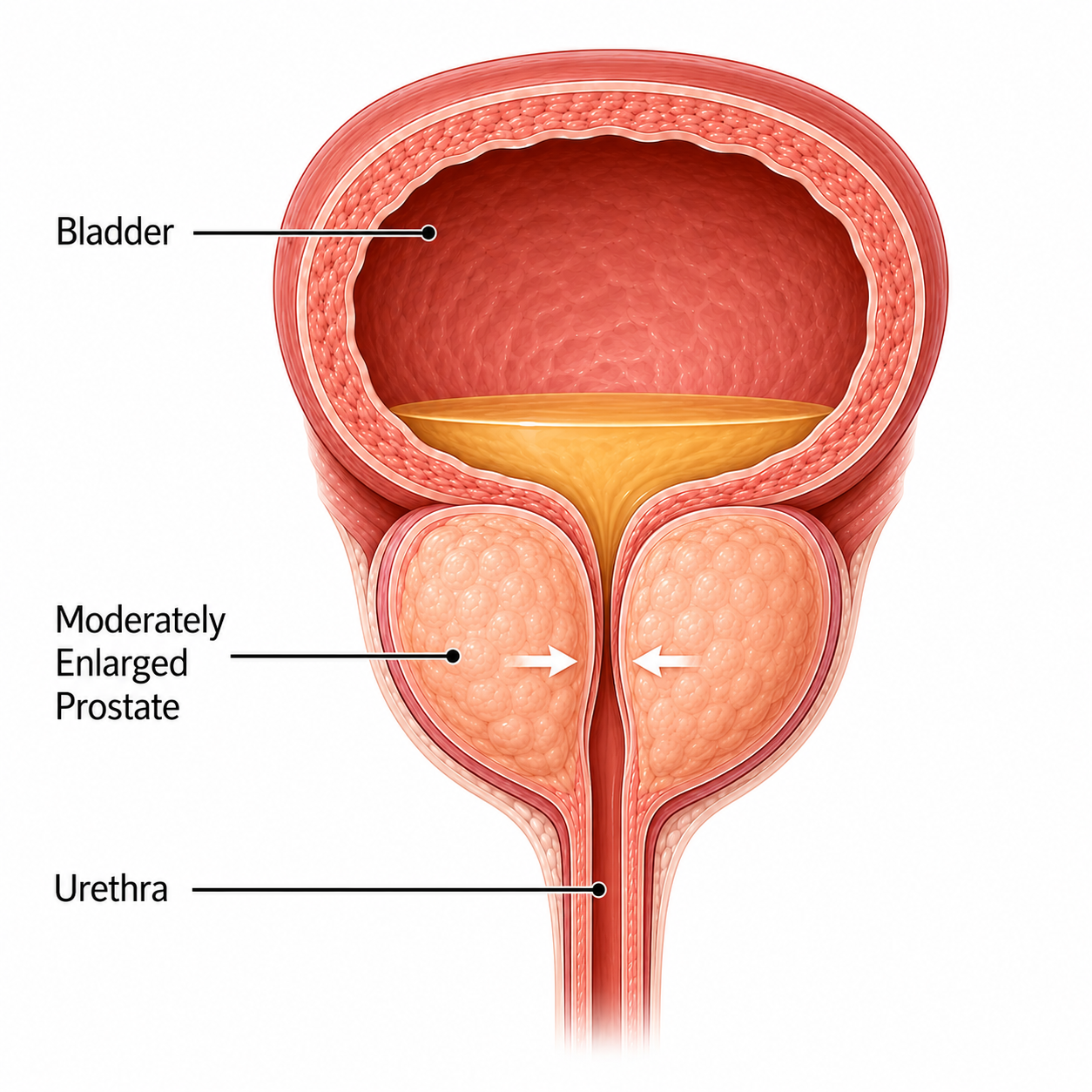
Moderate Prostate Enlargement img

Moderate Prostate Enlargement

Moderate prostate enlargement can cause more noticeable urinary problems such as frequent urination, urgency, night-time urination, weak stream, and difficulty starting urine.
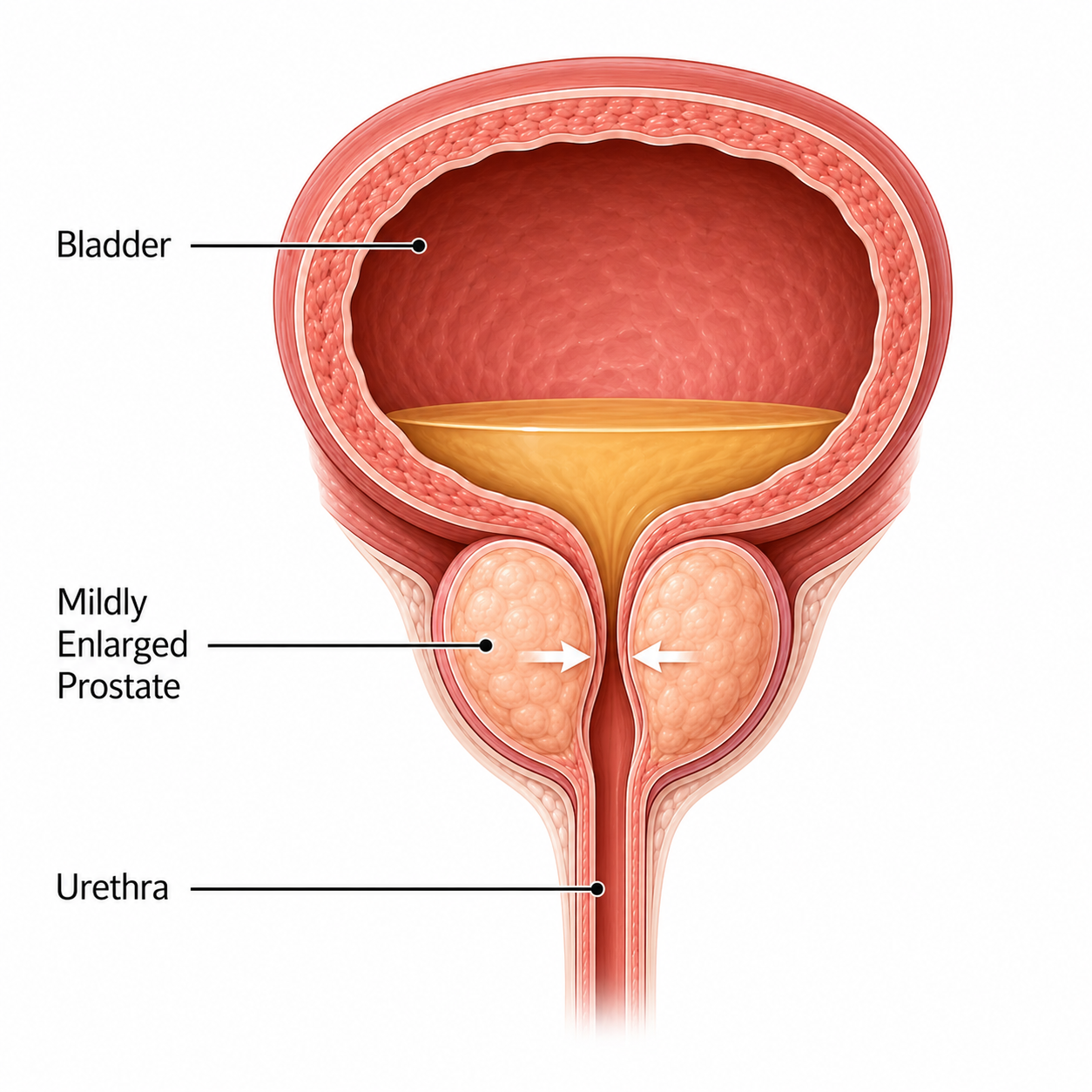
Mild Prostate Enlargement

Mild Prostate Enlargement

In mild prostate enlargement, symptoms are usually less severe and may not disturb daily life much. Patients may only notice slight changes in urine flow
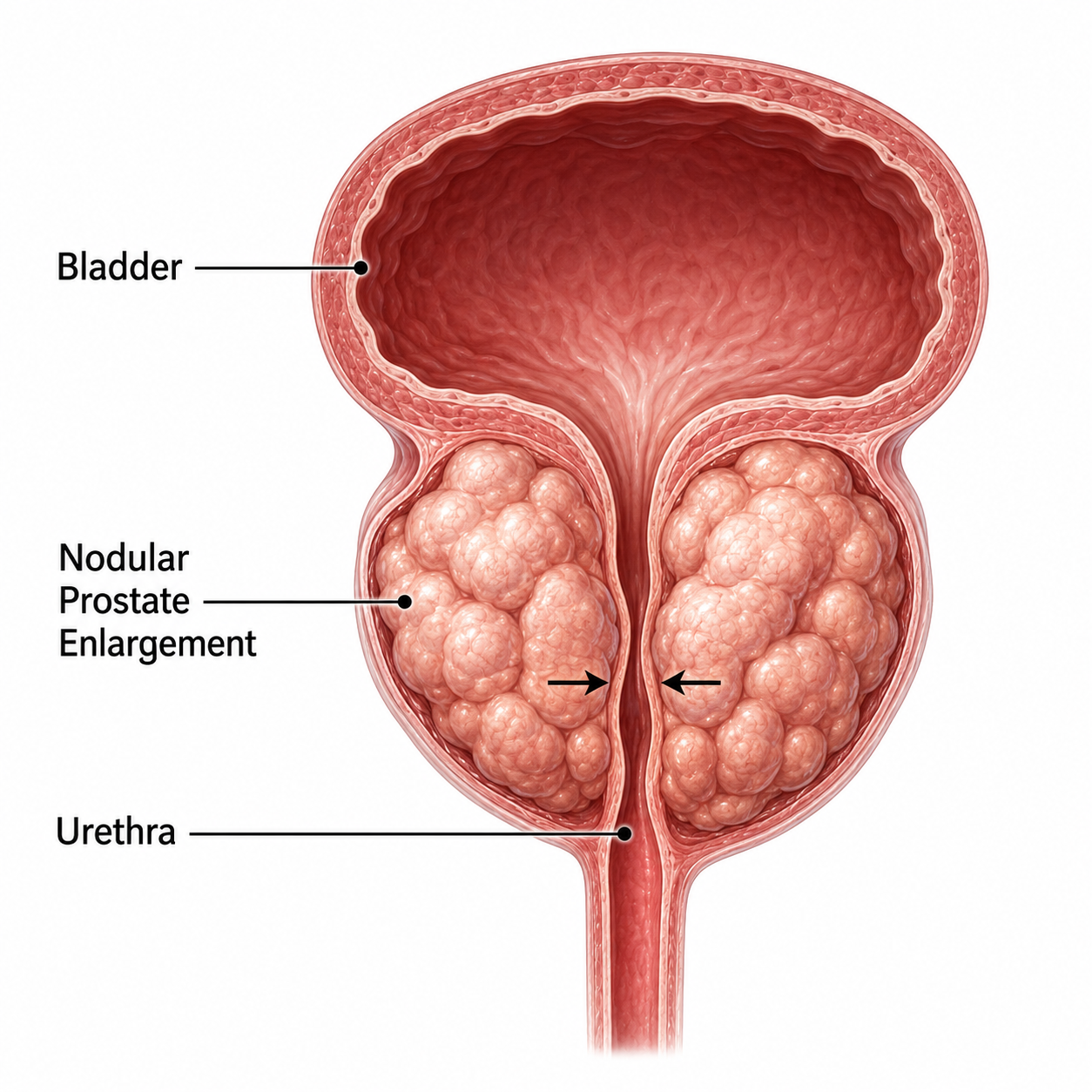
Nodular Prostate Enlargement img

Nodular Prostate Enlargement

This type occurs when small nodules or tissue growths develop inside the prostate gland. These nodules can press on the urine passage and cause difficulty in passing urine.
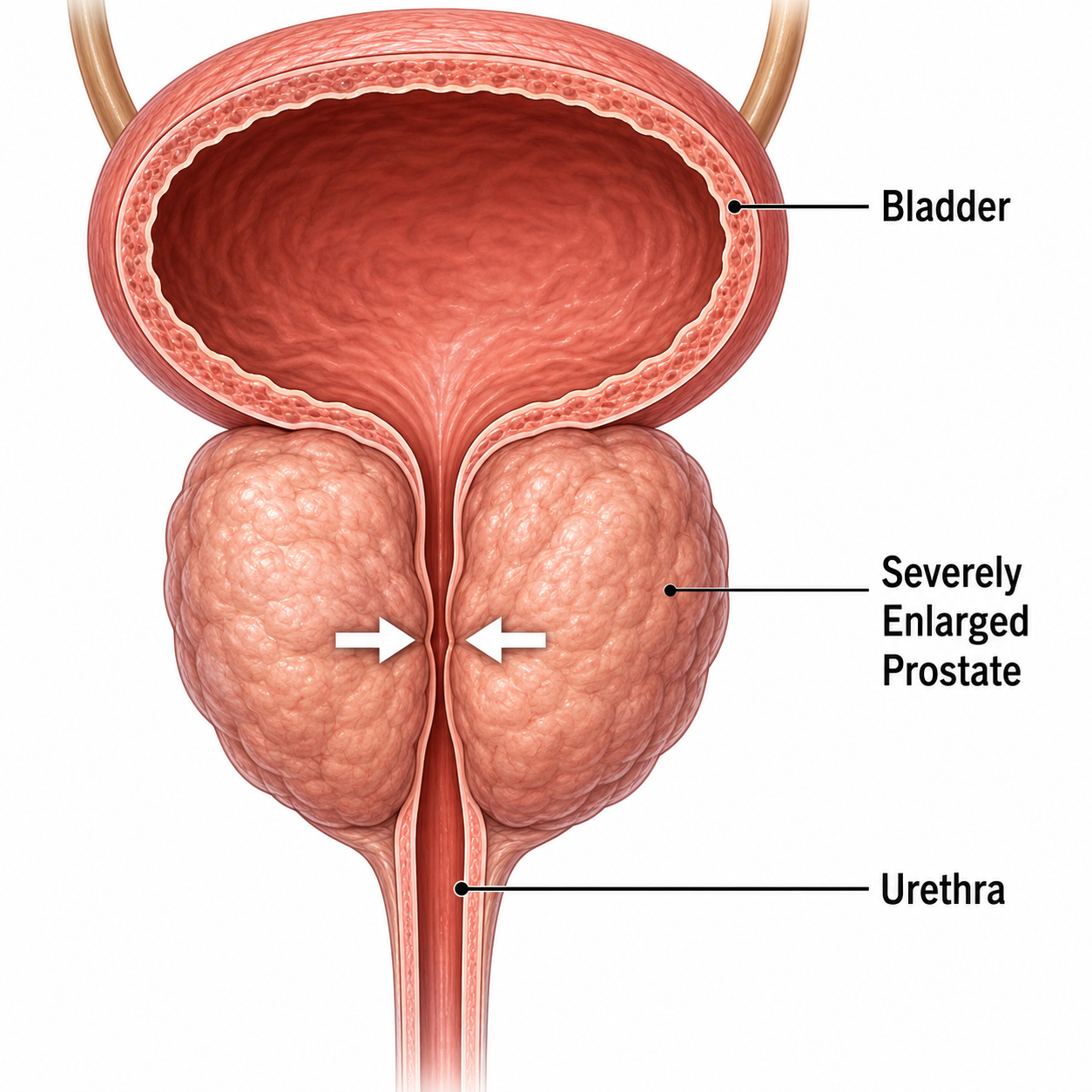
Severe Prostate Enlargement img

Severe Prostate Enlargement

Severe prostate enlargement may lead to major urinary blockage, repeated infections, bladder stones, urine retention, or kidney-related complications.
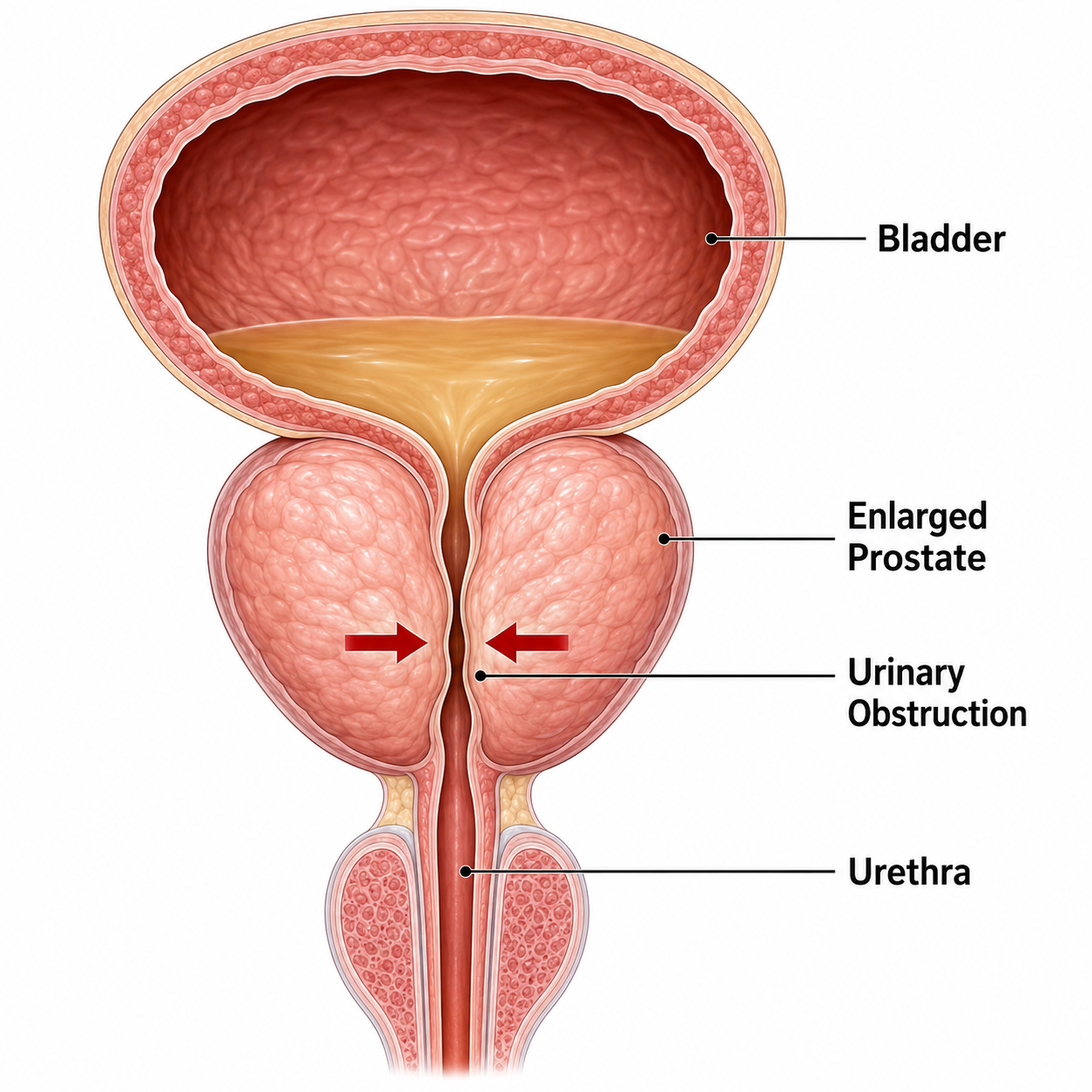
Enlarged Prostate with Urinary Obstruction

Enlarged Prostate with Urinary Obstruction

In this condition, the enlarged prostate blocks the normal urine flow from the bladder. It may cause straining, weak urine stream, incomplete emptying,

What are Symptoms of Prostate Enlargement?

Primary symptoms:

  • Frequent urination
  • Weak urine flow
  • Difficulty starting urine
  • Urgent need to urinate

Additional symptoms:

  • Dribbling of urine after urination
  • Sudden inability to pass urine
  • Burning sensation while urinating
  • Blood in urine

How Is an Enlarged Prostate Diagnosed?

An enlarged prostate is diagnosed by checking urinary symptoms, physical examination, and tests like urine test, PSA, ultrasound, uroflowmetry, or cystoscopy if needed. Dr. Sunil Mhaske evaluates urine flow, prostate size, night urination, weak stream, and bladder emptying to plan the right treatment.

Common tests used to diagnose an enlarged prostate include:

  • Medical History
    The doctor asks about urinary problems, age, lifestyle, medicines, and past health conditions.
  • Digital Rectal Examination
    The doctor checks the prostate size, shape, and texture through a simple physical examination.
  • Urine Test
    This helps detect urinary infection, blood in urine, or other bladder-related problems.
  • PSA Blood Test
    This test helps assess prostate health and may be suggested to rule out other prostate conditions.
  • Ultrasound
    Ultrasound helps measure prostate size and checks how much urine remains in the bladder after urination.
  • Uroflowmetry Test
    This test measures the speed and strength of urine flow to check if the prostate is blocking the urine passage.
  • Cystoscopy
    In selected cases, a thin camera is used to examine the urine passage and bladder more clearly.

Prostate Enlargement Treatment Options Available at Dr. Mhaske's Clinic in Pimpri Chinchwad

Medical Management

Medicines may help improve urine flow and reduce mild to moderate prostate enlargement symptoms.

Minimally Invasive Prostate Treatment

Advanced minimally invasive techniques may be recommended to treat urinary blockage

Laser Prostate Surgery

Laser treatment helps remove or shrink enlarged prostate tissue with less bleeding and faster recovery in suitable patients

Open Prostate Surgery

For very large prostate enlargement, open surgery may be suggested when other treatment options are not suitable.

How Much Does Prostate Enlargement Treatment Cost in Pimpri Chinchwad?

The cost of prostate enlargement treatment in Pimpri Chinchwad depends on the severity of urinary symptoms, prostate size, diagnostic reports, type of treatment required, anesthesia charges, and hospital stay if any. Below is a general cost guide to help patients understand the possible treatment options.

Medication and Lifestyle Management:
Lowest cost — usually includes consultation, diagnostic tests, and prescribed medicines. This option is commonly advised for mild to moderate prostate enlargement symptoms.

Minimally Invasive Prostate Treatment:
Moderate cost — suitable for selected patients with urinary blockage or bothersome symptoms. The exact cost depends on the technique used, prostate condition, and procedure requirements.

TURP Surgery:
Moderate to higher cost — includes surgery charges, anesthesia, hospital stay, catheter care, medicines, and follow-up visits. It is commonly recommended when medicines do not provide enough relief.

Laser Prostate Surgery:
Higher cost — involves advanced laser technology, operation charges, anesthesia, daycare or hospital stay, and post-operative care. It may offer benefits like less bleeding and faster recovery in suitable patients.

Open Prostate Surgery:
Higher cost — usually advised for very large prostate enlargement where other methods may not be suitable. The cost depends on surgical complexity, hospital stay, anesthesia, and recovery care.

For an accurate cost estimate tailored to your condition, book a consultation with Dr. Sunil Mhaske. The right treatment option and its cost can only be decided after checking your prostate size, urine flow, symptoms, age, health condition, and diagnostic reports.

Contact Form – Dr. Sunil Mhaske Urology
Get In Touch

Book a Consultation with
Dr. Sunil Mhaske

Leading Urologist & Andrologist in Pune & Pimpri Chinchwad. Fill the form and our team will reach out to confirm your appointment.

Request an Appointment

Our team will call you back within 24 hours to confirm your slot.

FAQ About Prostate Enlargement Treatment

Enlaged prostate & Prostate cancer is growing diesease with many doubts in the mind of people. Lets clear your all quries 

You should consult a urologist if urinary symptoms disturb your daily life, sleep, work, or comfort. Dr. Sunil Mhaske may suggest tests to understand the prostate size, urine flow, and bladder condition before planning treatment.

No, prostate enlargement is usually non-cancerous. However, some urinary symptoms can look similar to other prostate problems, so proper diagnosis by a urologist is important.

Common symptoms include frequent urination, waking up at night to pass urine, weak urine stream, urgency, difficulty starting urination, dribbling, and feeling that the bladder is not fully empty.

Yes, many cases can be managed with lifestyle changes and medicines. Treatment depends on symptom severity, prostate size, age, health condition, and test results.

Reducing evening fluid intake, limiting tea, coffee, and alcohol, avoiding holding urine for long, maintaining a healthy weight, and regular follow-up can help control symptoms.

A urologist may advise urine tests, blood tests, PSA test, ultrasound, uroflowmetry, post-void residual urine test, and physical examination to assess the prostate and urinary system.

A PSA test may be recommended to evaluate prostate health. It helps the doctor understand whether further assessment is needed, especially in older men or patients with concerning symptoms.

Surgery may be advised if medicines do not help, symptoms are severe, urine blockage occurs, bladder stones develop, kidney function is affected, or repeated urinary infections happen.

Advanced options may include minimally invasive procedures, laser prostate surgery, TURP, and other endoscopic treatments. The best option depends on prostate size, symptoms, and overall health.

Laser treatment uses laser energy to remove or vaporize extra prostate tissue blocking urine flow. It is commonly preferred because it may offer less bleeding, shorter hospital stay, and faster recovery in suitable patients.

Most procedures are performed under anesthesia, so patients usually do not feel pain during the treatment. Some mild discomfort, burning urination, or temporary urgency may occur during recovery.

visit Our Prostate Enlargement Clinic in Pimpri Chinchwad